Galapagos Family Tour Packages: Which Trips Take Children And What Changes On Board
Most Galapagos cruise vessels set a minimum age for guests, usually six or seven, and a smaller number run dedicated family departures with a second naturalist guide and shorter walks. This page lays out which package styles actually accept children, what changes on board when they do, and what a family realistically pays once the park fee and flights are counted.
Short answer
Yes, families can book Galapagos packages, but the vessel decides the age floor: most cruises accept children from age six or seven, while land-based island hopping has no such gate. Budget roughly $1,000 to $2,400 per person for a land-based family package, plus a $200 park fee per adult and $100 per child under 12.
Do Galapagos Tour Packages Actually Accept Children?
Yes, but the vessel sets the rules, not the tour operator. Most Galapagos cruise boats impose a minimum age of six or seven for guests, and a small number run dedicated family departures with a second naturalist guide and shorter walks. Land-based island-hopping packages have no comparable age gate, which is why many families with younger children choose them.
The age floor exists for practical reasons. Cruise itineraries in the Galapagos are fixed by the national park: an approved itinerary, in the park's own words, may not be modified under any concept except with express authorization. That means a boat cannot shorten a two-hour lava-field walk because a seven-year-old is tired, so operators set an age at which children can keep up with the group. A land-based package is different. You sleep in a hotel, and if a day excursion runs long, the pace of the following day is more forgiving.
The distinction matters when you read a listing. A cruise package will usually state its minimum age in the fine print, and some listings do not state one at all, which is not the same as accepting infants. Before booking, ask the operator directly two questions: what is the minimum age on this vessel, and does this departure carry a second guide for family groups. The answer to the second question is what separates a genuine family departure from a regular cruise that simply allows children.
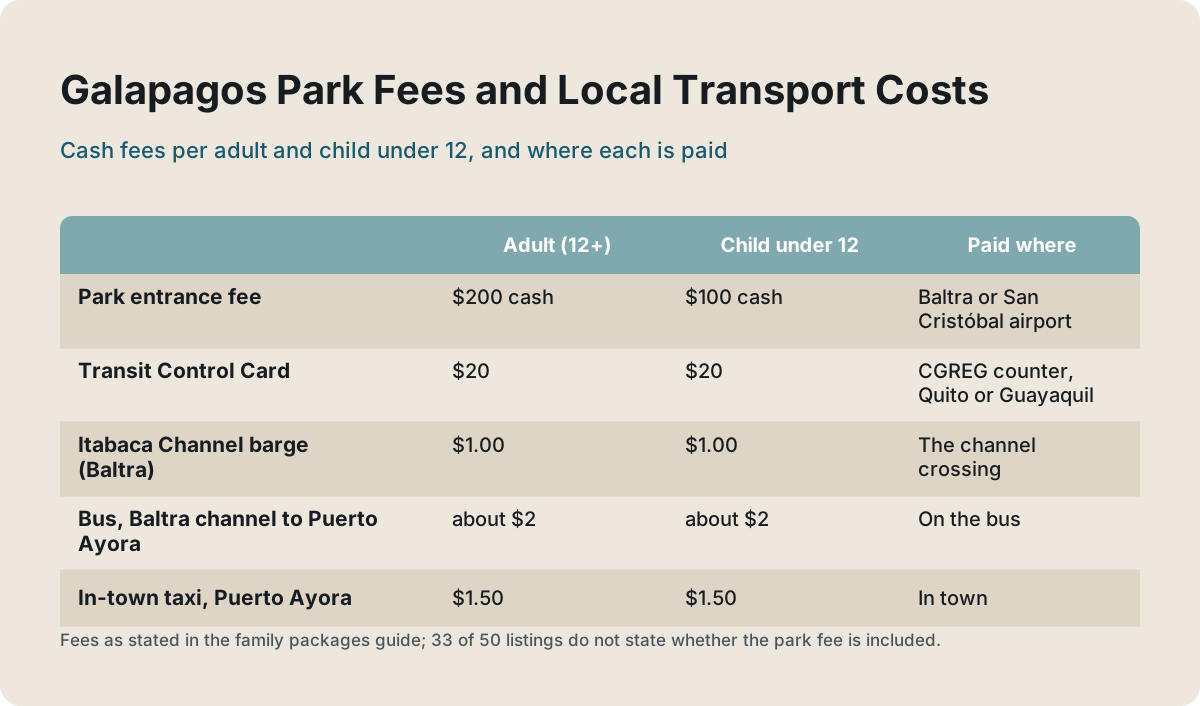
Families travelling with children under 12 should also note the park fee structure early, because it is charged per person at the airport. A foreign adult pays US $200 in cash on arrival; a foreign child under 12 pays US $100; children under 2 are exempt. The fee is collected by park rangers at Baltra or San Cristóbal airport, and there is no online prepayment portal, so the cash needs to be in hand when you land. The official fee table is published by the Galapagos National Park Directorate.
One more planning fact that surprises families: the maximum tourist stay in Galapagos is 60 days per calendar year, non-extendable, and you cannot fly to the islands on a one-way ticket. Neither limit touches a typical family trip, but both are worth knowing before you build an ambitious itinerary.
Which Galapagos Packages Work Best For Families?
The strongest family options split into three shapes: a fixed-itinerary cruise for wildlife density, a land-based hopping package for flexibility and price, and a short bay-based tour for younger children. On this roster, a 5-day land-based package from $1,399 with 4.7 across 56 reviews is the most-reviewed family-priced option, while the 4-day bay tour from $450 is the cheapest way in.
The cruise end of the roster is where families get the remote islands. The 7-Day Isabela II Cruise visits San Cristóbal, Santa Cruz, Isabela, North Seymour, Floreana, Española and Fernandina, and rates 4.9 across 31 reviews, from $6,137 per person. Its sibling, the 5-day Isabela II Western Route, covers Bartolomé, Isabela, Fernandina and Santiago, from $4,604, rated 5 across 24 reviews. Both are small-group vessels, which matters for families: the park caps a cruise permit at 16 passengers and a cruise vessel at 64, so even the largest ship carries fewer people than a single school bus.
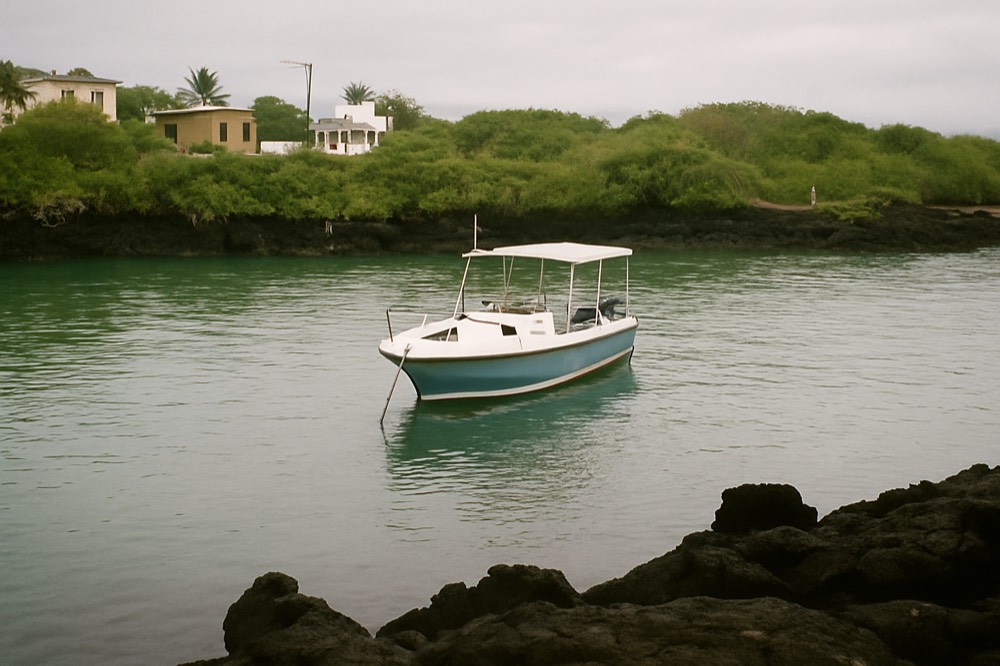
For families who want the cruise experience at a lower price point, the 4-Day Bay Tour with all meals included starts from $450 per person and rates 4.9 across 24 reviews, covering Santa Cruz. It is the cheapest package on the entire roster and, because it is short, it is a sensible test of whether your children take to boat-based travel before you commit to a week at sea.
The land-based middle ground is where most families land. The 5-Day, 3 Islands package, from $1,399 with hotel pickup and breakfast and lunch included, rates 4.7 across 56 reviews, the largest review pool on the roster. It visits San Cristóbal, Bartolomé, Santa Cruz, Isabela, Santa Fe, North Seymour and Floreana. If your children are teenagers who want activity rather than observation, the 8-Day Multisport across San Cristóbal, Santa Cruz and Isabela includes all meals and rates 4.9 across 12 reviews, from $2,363.
For a fuller comparison of the two styles, read our cruise versus land package guide, which works through the trade-offs in detail.
What Changes On Board When Children Are Aboard?
On a genuine family departure, three things change: a second naturalist guide joins the group so walks can split by pace, landings are timed around shorter attention spans, and snorkel briefings get gentler entry points. On a regular departure that merely permits children, nothing changes, and the fixed itinerary sets the tempo for everyone.
The second guide is the meaningful difference. A family departure can split the group at a visitor site, with one guide taking the longer walk and one taking a shorter loop, which is impossible under a single-guide setup. When you compare listings, the phrase "family departure" or "family-friendly departure" with a named second guide is worth real money; the phrase "children welcome" is worth nothing on its own.
Cabins deserve a mention because families usually want adjoining or same-deck rooms, and small ships have few of them. Traveller reports on small vessels repeatedly flag lower-deck cabins near the engine as noisy and fuel-smelling, while upper-deck and midship cabins are preferred for ventilation and motion. When booking for a family, ask for a deck plan and request cabins on the same corridor rather than accepting whatever the operator assigns.
Meals are rarely a problem. Most cruise packages include full board, and the land-based packages on this roster include either breakfast and lunch or all meals. The 4-Day Hopping package with an extra night, from $1,313, includes breakfast and lunch with hotel pickup and rates 4.7 across 15 reviews, which leaves dinner free for Puerto Ayora's family-friendly restaurants.
The 7-Day Isabela II Cruise, which visits seven islands including Española and Fernandina, is the related cruise option for families with children old enough for a full week. Its official title is ISABELA II NATURAL SELECTION JOURNEY (Fri-Thurs), it rates 4.9 across 31 reviews, and it runs from $6,137 per person. You can read more on the 7-Day Isabela II Cruise page, and Check availability if a family departure would suit your dates.
What Does A Galapagos Family Package Cost?
A family of four should plan on $4,000 to $10,000 for the package itself, depending on style: land-based packages from $1,000 to $2,400 per person, cruise packages from $4,500 upward. Then add the park fee, $200 per adult and $100 per child under 12 in cash, the $20 transit card each, and flights to the islands, which most packages exclude.
The package price is only the visible half of the bill. On this roster, 33 of 50 listings do not state whether the park fee is included, and a listing that does not state it should be read as "not stated", never as "included". Ask before booking. Flights are excluded on many land-based packages by design; one listing even carries "excludes Galapagos flight" in its official title.
| Cost item | Adult (12+) | Child under 12 | Paid where |
|---|---|---|---|
| Park entrance fee | $200 cash | $100 cash | Rangers at Baltra or San Cristóbal airport |
| Transit Control Card | $20 | $20 | CGREG counter, Quito or Guayaquil airport |
| Itabaca Channel barge (Baltra) | $1.00 | $1.00 | The channel crossing |
| Bus, Baltra channel to Puerto Ayora | about $2 | about $2 | On the bus |
| In-town taxi, Puerto Ayora | $1.50 | $1.50 | In town |
The transit card deserves a specific warning because the web is full of wrong advice about it. Individual travellers pre-register online and then buy the card at the CGREG counter at Quito or Guayaquil airport before check-in; advance purchase is limited to travel agencies. Any page telling you to buy it online 48 hours ahead as an individual is contradicting the official CGREG FAQ. Arrive three hours before your flight, which is the official recommendation, because children add time to biosecurity inspection and the sworn goods declaration.
Against those package prices, one context figure helps: the median land-based family package sits far below the top cruise price of $8,066, so do not let the most expensive listing stand in for a typical family budget. Our full package cost breakdown works through every line item.
Which Islands And Wildlife Keep Kids Engaged?
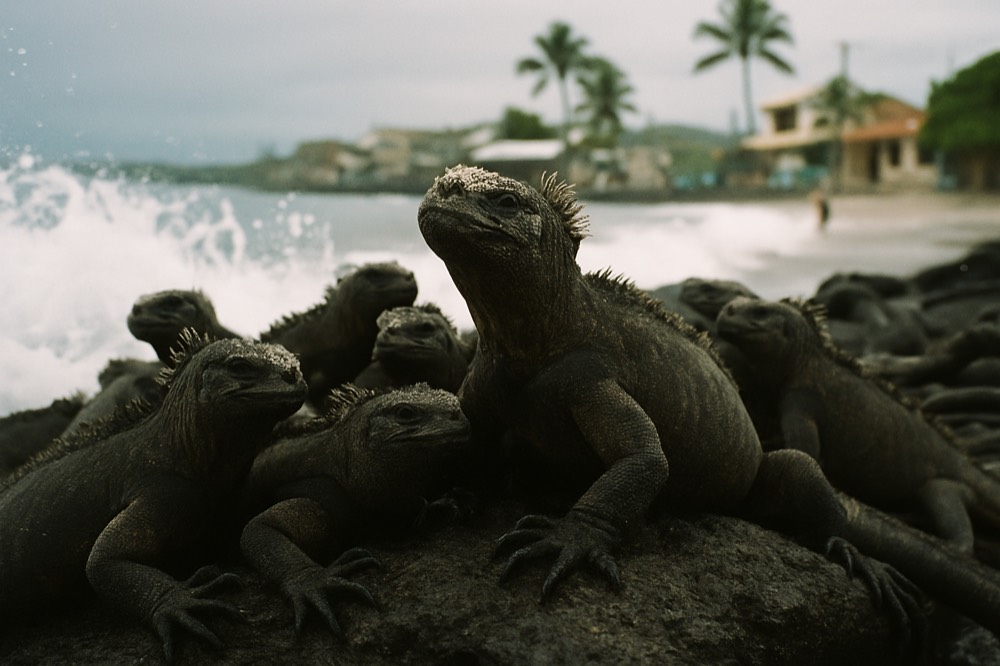
Santa Cruz and Isabela carry the most child-friendly wildlife: giant tortoises in the highlands, sea lions on town beaches and marine iguanas at eye level. Bartolomé delivers the postcard snorkel, North Seymour the booby and frigatebird colonies, and Española the waved albatross, whose adults arrive in March and lay eggs from mid-April to late June.
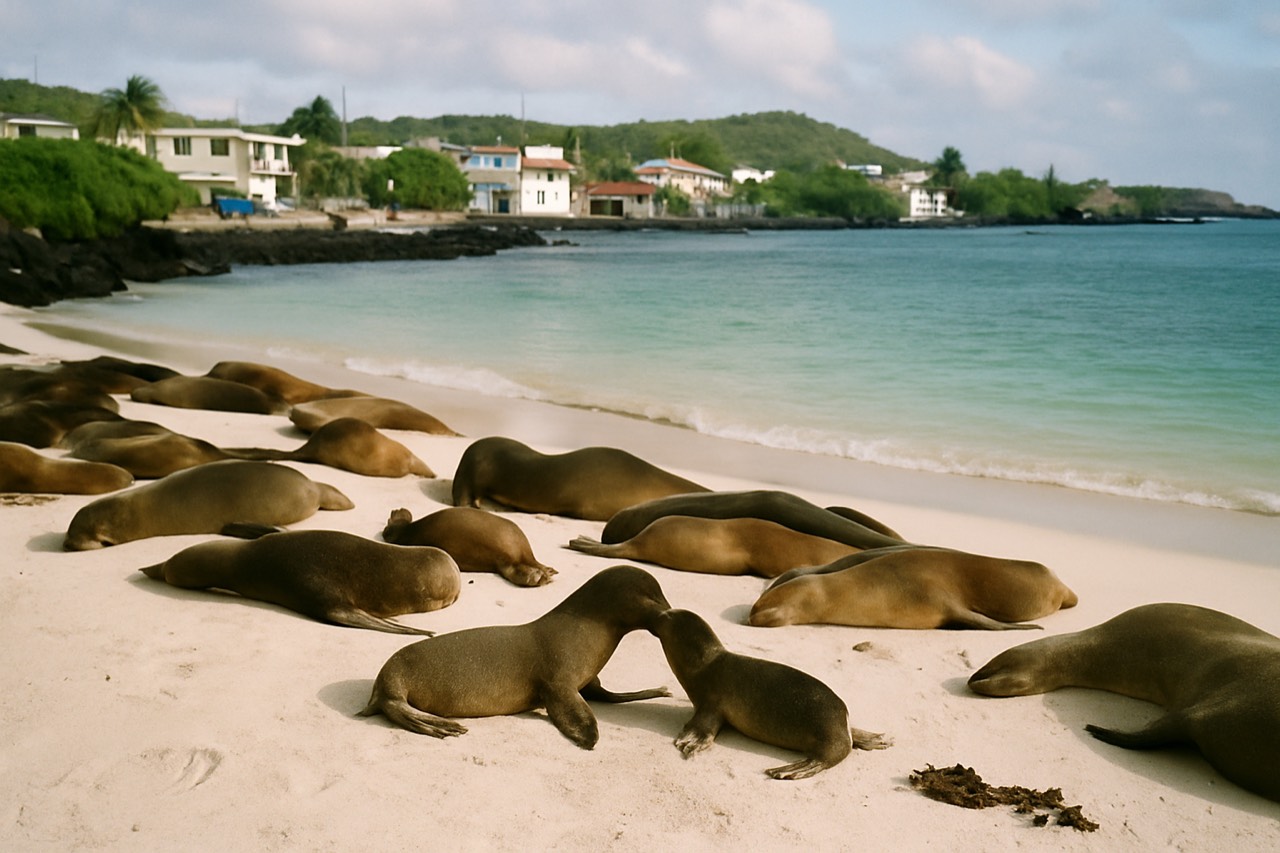
Sea lions are the reliable hit. They haul out on the docks at Puerto Ayora and Puerto Villamil, they perform in the water beside snorkellers, and the 2025 park monitoring counted 6,936 of them across the archipelago. Giant tortoises are the other guaranteed sighting, and the park estimated around 60,000 tortoises across the islands in 2021. In April 2025, 170 juvenile tortoises were repatriated to southern Isabela from the Arnaldo Tupiza breeding centre, so a family visiting Isabela is watching a conservation programme in motion, not just a photo stop. The wider set of guides lives on Galapagos Islands Tour Packages.
| Wildlife sight | Where families see it | What makes it work for children |
|---|---|---|
| Sea lions | Town docks and beaches, Santa Cruz and Isabela | Visible without a tour, playful in the water |
| Giant tortoises | Santa Cruz highlands, Isabela breeding centres | Slow, enormous, and tied to a real recovery story |
| Marine iguanas | Most shorelines | They sit still and snorkel beside you |
| Blue-footed boobies | North Seymour and other colonies | There is no single month to see them; they breed aseasonally, so any visit works |
| Waved albatross | Española, adults arrive March | The largest bird in the islands, with a courtship display worth the crossing |
| Galapagos penguins | Western Isabela and Fernandina waters | The only penguin that lives on the equator; 391 counted in 2025 |
Two calendar facts are worth planning around, and one is a trap to avoid. The waved albatross genuinely runs on a schedule: adults arrive at Española in March and eggs are laid from mid-April to late June. The blue-footed booby does not: research on the large colonies found breeding aseasonal and fairly continuous in non-El Niño years, so any website promising you a "best month for blue-footed boobies" is inventing one. And the Galapagos penguin breeds when sea temperature drops near 22 °C around the Cromwell Current upwelling off Fernandina and Isabela, not on any calendar month, which is why the western cruise routes give you the best odds.
For families, the practical takeaway is simple: book a route that includes North Seymour or Española if your children care about birds, and the western islands if they care about penguins and flightless cormorants, of which 656 were counted in 2025.
What Park Rules Do Families Need To Know Before Landing?
Four rules matter most: keep two metres from wildlife while walking and snorkelling, four metres while kayaking or on panga rides, stay on marked trails, and know that several popular sites now require an advance QR reservation booked through a registered operator. Children cannot pet the sea lions, no matter how tame they look.
The two-metre rule is the one children break first, because Galapagos animals do not flee. The sea lion pup that waddles toward your five-year-old is still a wild animal, and the current visit rules, in force since 12 August 2026, prohibit touching, feeding, chasing or handling any wildlife, dead animals included. Brief your children before landing: the animals will come to you, and the rule is that nobody reaches back. The same rules set 100 metres from whales and 50 metres from dolphins, doubled when calves are present, with a 25-minute watch limit per group.
The QR reservation system is new and catches families out. Six sites now require an advance reservation through the park's system: the Fausto Llerena tortoise centre on Santa Cruz, the Arnaldo Tupiza and David Rodríguez breeding centres on Isabela and San Cristóbal, plus Las Grietas, Volcán Chico and Minas de Azufre. Only agencies registered in Galapagos can make those reservations, and each one issues a single non-transferable QR code tied to one group, one guide, one date and one time slot. The practical consequence: you cannot walk into the famous tortoise centre on the day through an unregistered operator, so a package with a proper operator is now the only route in.
Two smaller rules round out the family briefing. Sunscreens containing oxybenzone or octinoxate are restricted during water activities in the protected areas, so pack a reef-safe alternative; our sunscreen guide for the Galapagos covers what to look for. And general visiting hours in the park run 06h00 to 18h00, with diving until 17h00, which rarely constrains a family but explains why evening activities are port-based rather than wildlife-based. The current instrument is published on the park's resolutions page.
Is Land-Based Island Hopping Better Than A Cruise For Families?
For children under about eight, land-based hopping usually wins: hotels absorb the age question, days can be shortened, and the inter-island ferries are the only rough water. For children of ten and up, a cruise wins on wildlife access, because Fernandina and the remote western sites simply cannot be reached on day trips from a hotel.
The honest version of this comparison is that both work and the decider is your child's age and sea tolerance. Travellers who have done both styles report the split you would expect: some found the cruise vastly better for wildlife, others preferred the freedom of land-based travel. The one point both camps agree on is that the public ferries between islands, especially Santa Cruz to Isabela, are the roughest water in a land-based trip, and motion-sickness medication started the night before is the repeated advice.
| Factor | Cruise package | Land-based hopping |
|---|---|---|
| Minimum age | Usually six or seven, vessel-set | No comparable gate |
| Remote islands (Fernandina, Española) | Included on longer routes | Generally out of reach |
| Rough water | Night transits vary by route | Inter-island ferries are the roughest leg |
| Daily flexibility | Fixed park itinerary, cannot be modified | Days can be shortened or skipped |
| Typical price, this roster | From $3,560 to $8,066 | From $813 to $2,898 |
| Meals | Full board on most vessels | Breakfast and lunch, or full board, varies |
The data backs up the land-based instinct for most visitors. In 2025, 79 percent of Galapagos visitors stayed on land and only 21 percent stayed on board a vessel, a split unchanged from 2024, drawn from transit-card registration data in the park's annual visitor report. Families are a visible part of that majority, because a hotel room with a real bed and a pool beats a lower-deck cabin for younger children.
On the land-based side of the roster, the private 7-Day Island Hopping tour rates 4.9 across 25 reviews, runs from $1,650 with hotel pickup, and carries free cancellation, which is a genuinely useful feature when school calendars shift. The Galapagos Surprising 4 Days package, from $987, is also small-group with free cancellation, rated 5 across a single review so far. For a deeper look at the style, see our island hopping packages guide.
How Do You Prepare A Family For The Trip?
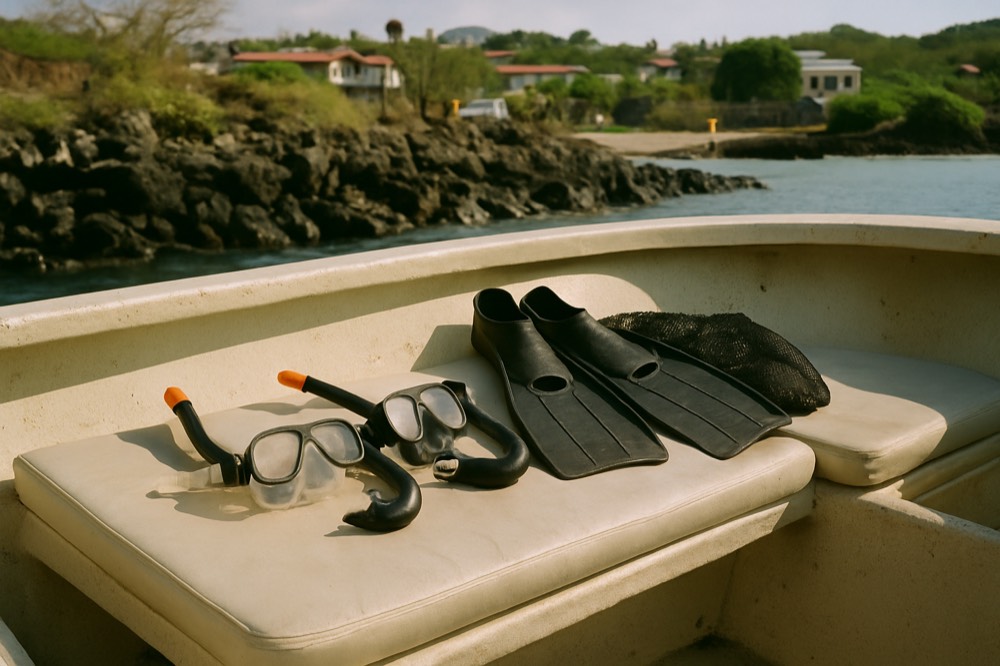
Start with three practical items: US dollar cash for the park fee, motion-sickness medication begun the night before any boat day, and personal snorkel gear for the children, since rental quality varies. Arrive at the mainland airport three hours early, pre-register the transit cards online, and pack from the official biosecurity list rather than from memory.
The cash point cannot be overstated. The park fee is collected in cash, in US dollars, by rangers at the airport, and cards are not reliably accepted. A family of two adults and two children aged eight and ten needs $600 in clean notes for the fee alone, plus $80 for the four transit cards, before any taxi or transfer. Travellers repeatedly report wishing someone had told them this before landing.
Biosecurity is the other pre-trip task. All baggage is inspected at Quito or Guayaquil before check-in, and again on arrival, with a sworn goods declaration handed to an inspector. Fresh fruit, vegetables and unprocessed plant and animal products are restricted or prohibited, and the official colour-coded list is on the ABG site, so check it before you pack snacks. A child's apple in a side pocket is the classic confiscation.
Timing your trip around children's comfort comes down to the two seasons. The hot season, January to May, brings warmer water and convective rain; the cool season, June to December, brings the garúa drizzle, stronger southeasterly winds and choppier seas. The sea at Puerto Ayora averages 25.7 °C in March against 21.5 °C in August and September, so young snorkellers will last far longer in the first half of the year, though a wetsuit rental fixes the second half. Demand peaks twice, March to April for foreign visitors and August for Ecuadorian families, and September is the annual trough, which makes it the quietest month to visit with children. Our best time to visit guide expands on the trade-offs.
One last preparation that pays for itself: book the longest trip your budget allows rather than the shortest. The repeated regret in traveller reports is choosing a short itinerary and missing the remote sites, and a family that manages a week will see a different archipelago than a family that manages four days.
Common Questions About Family Galapagos Tours
Do Galapagos Cruises Have A Minimum Age For Children?
Most Galapagos cruise vessels set a minimum age, usually six or seven, because the park-approved itinerary cannot be modified to shorten walks. A small number of vessels run dedicated family departures with a second naturalist guide. Land-based island-hopping packages have no comparable age gate, which is why families with younger children often choose them.
What Is The Park Entrance Fee For Children?
Foreign children under 12 pay US $100, against US $200 for adults, collected in cash US dollars by park rangers at Baltra or San Cristóbal airport. Children under 2 are exempt. There is no online prepayment portal for the park fee, so carry clean notes.
Can Children Touch The Animals In The Galapagos?
No. The visit rules in force since 12 August 2026 require a minimum distance of two metres from wildlife while walking and snorkelling, and four metres while kayaking or on panga rides. Touching, feeding or chasing any animal is prohibited, and because Galapagos wildlife does not flee, the animals will often approach you, which makes briefing children before landing essential.
Is A Cruise Or Island Hopping Better For Families?
For children under about eight, land-based hopping is usually easier: hotels absorb the age question and days can be shortened. For children of ten and up, a cruise reaches Fernandina and the remote western sites that day trips cannot. In 2025, 79 percent of visitors stayed on land and 21 percent on board a vessel.
How Much Does A Family Galapagos Package Cost?
Land-based family packages on this roster run from $813 to $2,898 per person, cruise packages from $3,560 to $8,066, and a 4-day bay tour from $450. Add the park fee, $200 per adult and $100 per child under 12, the $20 transit card each, and flights, which many packages exclude.
What Is The Best Month To Visit The Galapagos With Children?
For young snorkellers, the hot season from January to May: sea temperature at Puerto Ayora averages 25.7 °C in March against 21.5 °C in August and September, and the seas are calmer when the southeasterly winds weaken. Demand peaks in March to April, and September is the quietest month of the year.