When Not To Go To Galapagos Islands?
There is no bad month in the Galapagos, but there are months that are bad for a specific plan. A season-by-season breakdown of when to avoid the islands depending on seasickness, crowds, budget and wildlife goals.
 By Oleg Galeev, Editor
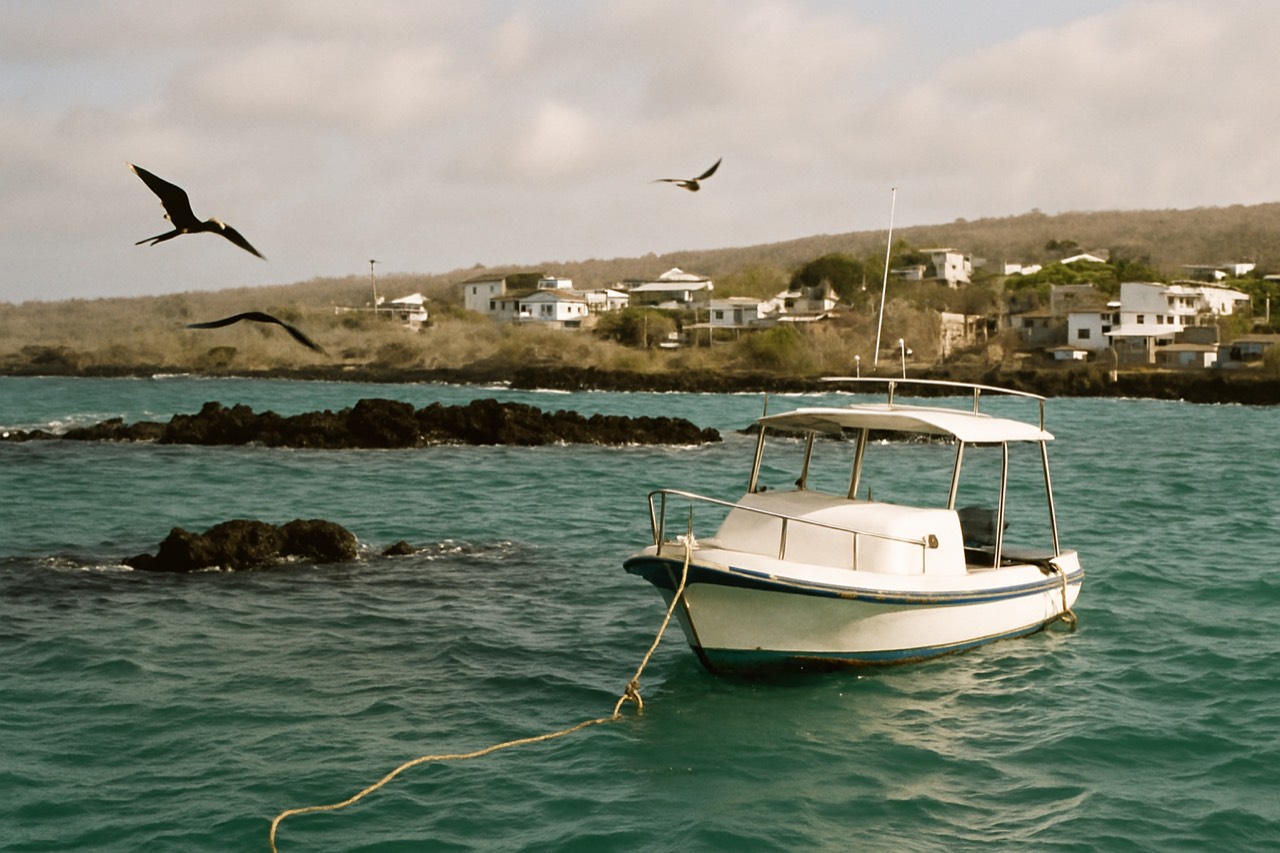
When Not To Go To Galapagos Islands?
There is no month when the Galapagos closes or turns hostile, but there are months that are bad for a specific plan. September is the hardest month at sea for anyone prone to seasickness, the March to April foreign peak and the August Ecuadorian peak are the worst windows for late bookers, and strong El Nino years can thin out wildlife watching. The failure is almost never the islands. It is the mismatch between the month and the trip.
The honest starting point is that the archipelago does not have an off season in the way a ski resort does. The Galapagos sits on the equator, so there is no winter to escape, and the two seasons are defined by wind and water rather than heat and cold. The Charles Darwin Foundation's climatology database describes a hot season from January to May, when the southeasterly trades weaken, and a cool season from June to December, when those same winds strengthen and a persistent layer of shallow cloud, the garua, sits on the windward highlands. Both seasons deliver wildlife. Both seasons deliver good trips. What changes is the sea state, the water temperature, the crowds and the price.
That said, the question people are really asking is narrower. They have a draft itinerary, a budget and a fear, and they want to know which month will break it. This article works through the failures one at a time: the sea, the crowds, the holidays, the wildlife cycles and the booking calendar, with the verified numbers attached to each. If a month on your shortlist appears in a warning below, the fix is usually not to cancel but to change the shape of the trip, and that choice is covered too.
The packages above span the two formats that matter for this decision. A land-based hopping tour sleeps ashore and only crosses water on day boats, while a small-ship cruise like the La Pinta itinerary lives on the water for a week. Which of those two you choose does more to determine your bad month than the month itself, a point worth holding onto as the sections below unfold.
Why September Is The Hardest Month At Sea?
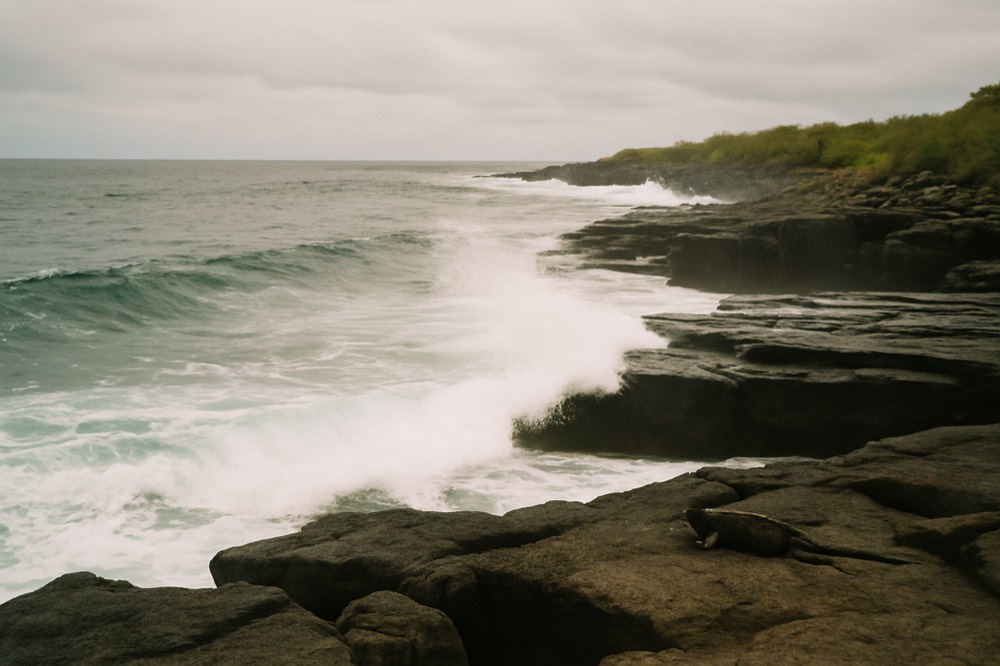
September combines the strongest southeasterly trade winds of the year with the coolest water, which makes it the roughest month for inter-island crossings and the worst month for travellers who get seasick. The sea at Puerto Ayora averages 21.5 C in both August and September against 25.7 C in March, and September is also the annual trough for arrivals, so the islands are quiet but the water is demanding.
The mechanism is documented, even though no wave-height figure can honestly be published. The Charles Darwin Foundation defines the cool season, June to December, as the period when the southeasterly winds strengthen, and the hot season as the period when they weaken. Stronger sustained wind means a livelier sea surface, especially on the open transits between islands. Traveller reports collected from recent Reddit threads in r/galapagos and r/galapagostourism consistently single out the public inter-island ferries, particularly the Santa Cruz to Isabela run, as rougher than the day boats and calmer than most cruise legs. The pattern repeats every year: people who managed a February crossing without thinking about it come back in September describing the same route as punishing.
Two practical consequences follow. First, if you know you are prone to motion sickness, September is the single month where a small-ship western cruise, with its long open transits toward Fernandina and Isabela, is genuinely the wrong product. Second, the fix is partly chemical and partly structural. Travellers in the threads above repeatedly recommend starting scopolamine patches the night before departure and pairing them with an oral medication, and many report that the motion was more tolerable than feared once at sea. The structural fix is to sleep ashore: a land-based package only commits you to the water in daylight hours, and the inhabited ports themselves sit in relatively sheltered bays.
The cool season is not a reason to stay home in general. It is the best window for some things, including the densest nutrient upwelling that draws penguins and flightless cormorants to the western islands, and it carries the driest weather in the lowlands. The 2024 census by the Galapagos National Park Directorate and the Charles Darwin Foundation counted 413 Galapagos penguins and 762 flightless cormorants across Isabela, Fernandina and the Las Marielas islets, and the 2025 counts came in at 391 penguins and 656 cormorants. Those birds are a cool-season draw, not a hot-season one. The warning is only about your inner ear.
| Month | Season | Mean sea temp at Puerto Ayora | What it means for a seasickness-prone traveller |
|---|---|---|---|
| January | Hot | 24.5 C | Calm winds, easiest crossings of the year |
| March | Hot | 25.7 C | Warmest water, weakest trades, peak foreign demand |
| May | Hot | 24.7 C | Late hot season, still calm, thinner crowds |
| July | Cool | 22.3 C | Winds building, crossings noticeably livelier |
| September | Cool | 21.5 C | Coolest water, strongest sustained wind, quietest islands |
| December | Cool | 23.2 C | Trades easing back toward the hot season |
The sea temperature figures in the table are 1991 to 2020 monthly means computed from the raw daily record of the Charles Darwin Research Station meteorological station at Puerto Ayora, published in the Galapagos Climatology Database. The water is roughly four degrees Celsius warmer in March than in September, and that gap is the cleanest single proxy for the difference between the two seasons.
When Do The Crowds And Prices Peak?
Foreign demand peaks in March and April, Ecuadorian demand peaks in August, and September is the annual trough, according to the Galapagos National Park Directorate's own visitor statistics. Anyone booking less than several months ahead for March, April or August faces the tightest cabin inventory and the least negotiating room of the year, which makes those the worst windows for a spontaneous trip.
The numbers come from the park's annual visitor report. In 2025 the archipelago received 290,404 visitors, up 4% on 2024, and the foreign market grew 16% while the Ecuadorian market fell 11%. The United States alone supplied 29% of all arrivals, about 83,000 people, and 47% of the international market. That demand is not spread evenly across the year: the report identifies a foreign peak from March to April and an Ecuadorian peak in August, with September as the annual low point. The first half of 2026 ran 9% ahead of the same period in 2025, so the pressure is increasing rather than easing.
What that means in practice is a booking-calendar problem more than an on-the-ground problem. The Galapagos does not feel like a European cathedral town in July; the visitor sites are capped, guided and dispersed across 176 authorised sites, 91 marine and 85 terrestrial. The pinch point is inventory. Small vessels carry at most 64 passengers under the tourism regulation, and many carry far fewer, so a family deciding in January to travel in late March is choosing from the cabins nobody else took. The same trip booked eight months out has the full range, including the lower deck-to-upper deck cabin choice that genuinely affects comfort at sea.
There is a second, quieter crowd effect worth knowing: 79% of visitors stay on land and only 21% stay on board a vessel, a split the park reports as unchanged between 2024 and 2025. The land-based towns of Puerto Ayora and Puerto Villamil absorb most of the peak-season growth, so a hot-season land package can feel busier around the ports than the arrival statistics suggest, while the water and the visitor sites stay comparatively dispersed. If solitude is the goal, the months around the peaks, May, June, September, October and early December, are the honest answer, with the September caveat about the sea.
Which Holiday Weeks Should You Avoid?
Christmas and New Year, plus Ecuadorian holiday weeks in early January and around Carnaval, are the worst windows for travellers who have not booked firmly in advance, because Ecuadorian domestic demand fills the mid-range land-based inventory first. Late December also sits inside the cool season, so a holiday cruise combines peak pricing with the livelier seas of the second half of the year.
The domestic dimension is what surprises people. Ecuadorians make up 38% of Galapagos arrivals, and their travel calendar is built around school holidays and public holidays rather than the northern summer. The park's report shows the Ecuadorian peak in August, but the holiday weeks in late December and early January draw the same domestic market into the land-based hotels that foreign package buyers also use. The practical result is that a moderately priced island-hopping package for the last week of December sells out earlier than its price would suggest, while the same week's cruise berths are still available but priced at the top of the annual range.
Carnaval, which moves with the lunar calendar but falls in February or early March, deserves a flag as well. It lands inside the calmest sea window and the approach to the foreign peak, so it can be a genuinely good week to travel if you have booked, and a frustrating one if you have not, because domestic demand overlaps with the beginning of the international season. The pattern to internalise is simple: in the Galapagos, the holiday calendar matters as much as the weather calendar, and it matters most at the mid-range price points where domestic and foreign demand actually compete.
When Does Wildlife Watching Get Harder?
A strong El Nino year is the one climate event that genuinely degrades wildlife watching across the archipelago, because warm nutrient-poor water reduces the food supply for seabirds, penguins and cormorants. Scientists warned in September 2026 of a potentially strong El Nino developing, and in such years the marine species thin out at the surface while land species carry on largely as before.
The mechanism is well documented. Galapagos penguin breeding tracks sea temperature rather than the calendar: the peer-reviewed work by Boersma in The Condor found the penguins are significantly more likely to breed when water sits at or below 22 C, helped by the Cromwell Current upwelling around Fernandina and Isabela. When El Nino suppresses that upwelling, the penguins, the flightless cormorants and the boobies all face food scarcity, and the surface feeding frenzies that make the western islands famous become sparse. The 2024 census already showed stress, with 96% of counted penguins being adults and only 1% juveniles, a figure the park attributed to poor breeding probably caused by food scarcity following the 2023-2024 El Nino.
The second wildlife warning is about expectations rather than failure. Several species that dominate promotional photography have no reliable month range at all, and any operator promising you one is improvising. Blue-footed boobies are verified as aseasonal, opportunistic breeders in the scientific literature; in non-El Nino years breeding in the larger colonies is fairly continuous, and a successful attempt runs five to six months. There is no month range to publish because none exists. The same honesty applies to cetaceans and to whale sharks. What does have verified timing is specific: waved albatross adults arrive at Espanola in March and lay eggs from mid-April to late June, Nazca boobies at Punta Cevallos on Espanola lay October to December, marine iguanas mate November to February, and giant tortoises nest July to October. If your whole trip is built around one species, build it around the verified window, not a brochure.
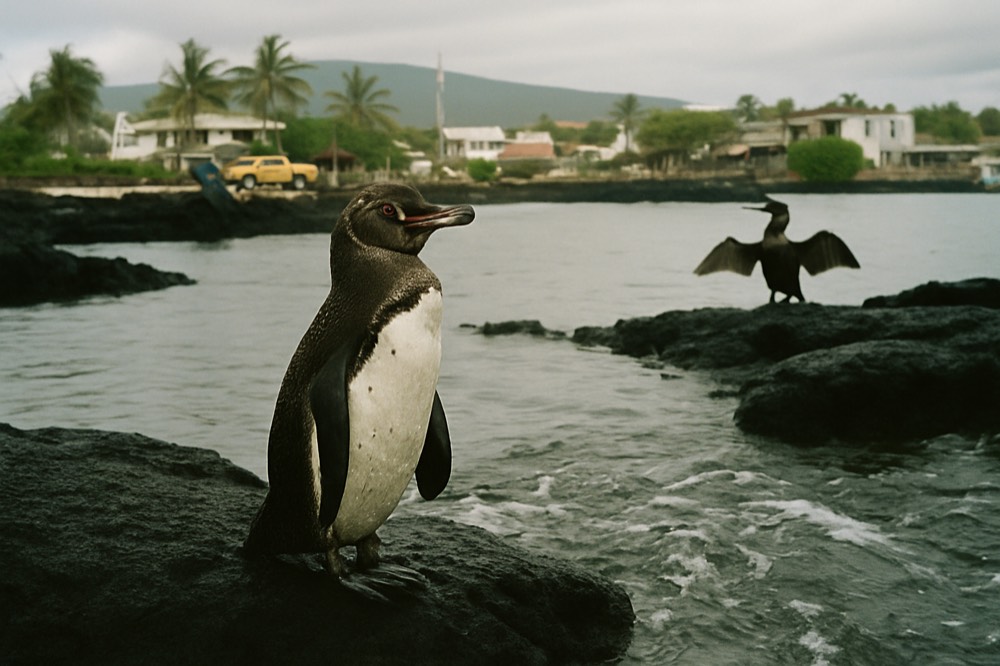
For a trip built around penguins and cormorants specifically, the western islands are the place, and the cool season is the time, with the September sea caveat from earlier applied. The 7-Day Penguin Route package, which covers Bartolome, Santa Cruz, Isabela, North Seymour and Pinzon from $1857 per person with hotel pickup, rates 5 across 3 reviews and is built exactly around that logic. It is a land-based structure, which softens the seasickness exposure of a western itinerary.
When Is A Cruise The Wrong Choice For The Month You Have?
A cruise is the wrong choice if your dates fall in the second half of the year and you are prone to seasickness, since the strengthened cool-season trades make every open-water transit livelier. In that case, a land-based package is the right product. If your dates fall in the hot season and you want the remote western sites, that same cruise becomes the best possible choice, because the land-based alternative cannot reach Fernandina at all.
This is the decision that the month question usually hides. A cruise buys you the remote visitor sites, the fixed itinerary and the efficiency of waking up at each new anchorage. A land-based package buys you the flexibility to skip a rough day, the ability to stay in town if the sea does not agree with you, and a lower price floor. Traveller reports from 2025 and 2026 threads split exactly along that line: one traveller who did both wrote that the cruise was vastly superior in every way, while another in the same thread preferred the land-based portion for its flexibility and freedom. Both are describing real products honestly, and the month is what decides which one fits you.
The structural facts favour planning early either way. Cruise itineraries in the Galapagos are fixed by park resolution and cannot be modified, which is why a ship that lists Fernandina on day four will be at Fernandina on day four. Only vessels under 20 passengers may change itinerary at all, and larger ships only in proven force majeure. A land-based package is more elastic, but its day boats still depend on the same weather windows, and the inter-island ferries are the roughest legs of any land itinerary in the cool season. If you are locked to September or October and prone to motion sickness, choose a package that concentrates on one or two islands rather than one that crosses between three, and see the cruise versus land comparison before committing.
| Traveller type | Worst window | Why | The fix |
|---|---|---|---|
| Seasickness-prone, dates fixed | June to December, especially September | Strongest trades, coolest water, liveliest crossings | Land-based package on one or two islands; start medication the night before |
| Late bookers | March, April, August, late December | Foreign peak, Ecuadorian peak, holiday weeks | Book six months ahead or shift to May, June, October |
| Wildlife-specific photographers | Any month outside the verified window for your species | Boobies are aseasonal; albatross only at Espanola March onward | Match the species window, not the discount calendar |
| Budget travellers | March to April | Peak foreign demand lifts prices and thins inventory | Travel in the shoulder weeks; see cheap Galapagos strategies |
| Solitude seekers | August and the holiday fortnight | Domestic and holiday demand fills ports and mid-range hotels | September or early December, with the sea caveat |
One more planning layer: whichever window you choose, the fixed extras do not move with the seasons. The park entrance fee is US $200 per foreign adult, paid in cash US dollars to park rangers on arrival at Baltra or San Cristobal, and the Transit Control Card is US $20 per person, bought at the CGREG counter at Quito or Guayaquil airport. Both are on top of the package price, and the flights, park fee and transit card guide covers the mechanics in full. Budgeting for them in September costs the same as budgeting for them in March.
Are There Months That Are Actually Fine?
Yes, and they are more numerous than the warnings suggest. May, June, October, November and early December sit in the shoulders of both demand peaks, and at least two of them, May and June, fall inside the calmest sea window of the year. The genuinely awkward months are fewer: September for the sea, and the peak weeks of March, April and August for late booking.
May deserves a special mention because it is the month the warnings cancel out. The sea is still warm, averaging 24.7 C at Puerto Ayora, the trades are still in their weakened hot-season mode, the foreign peak of March and April has passed, and the Ecuadorian peak of August has not arrived. The waved albatross are on Espanola with eggs in the nest, and the garua has not yet settled on the highlands. It is the single best answer to the question this article inverts: if you are asking when not to go, you are also asking when to go, and May is the quiet consensus.
June and October trade a little more wind for even thinner crowds. June still carries warm-enough water at 23.5 C and sits before the strongest trades, while October sits after them, with the sea beginning its climb back from the 21.5 C August and September floor toward 23.2 C in December. Both months suit a traveller whose priority is price and space rather than bathtub-warm snorkelling. Early December is similar, and it carries the added advantage of the albatross chicks approaching fledging at Espanola, though the holiday-fortnight warning from earlier applies to its second half.
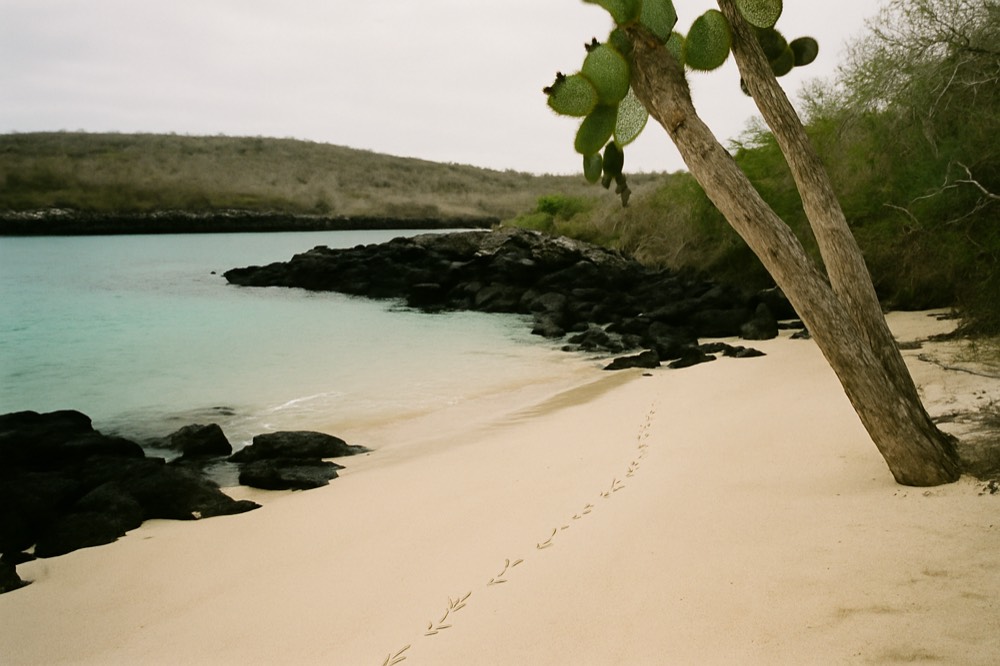
For a calm-window land-based trip, the 5-Day Los Tuneles and Isabela package is a strong fit. It lands on Santa Cruz and Isabela, with Santa Fe or Pinzon offered as a choice of optional visit, from $1683 per person, includes breakfast, lunch and hotel pickup, and rates 4.4 across 8 reviews. Los Tuneles itself, the collapsed lava tunnels off Isabela, is a snorkelling site that rewards the warm, calm water of the hot season, which is exactly why the hot-season shoulder months are the right window for it.
The broader point, and the one that Galapagos Islands Tour Packages exists to make, is that the archipelago rewards matching rather than avoiding. Every month on the calendar is the best month for some specific trip and the worst month for another. The traveller who asks the question in the title is usually one good decision away from a great week, and that decision is almost always about format and timing together, not timing alone.
If your dates are fixed and the fixed dates fall in a flagged window, the last section of the best time to cruise guide works through the same trade-offs from the cruise side, including how the cool season affects cabin choice and which decks to avoid on a small ship.
Common Questions About When Not To Go To The Galapagos
When Not To Go To Galapagos Islands?
Do not go in September if you are prone to seasickness and committed to a cruise, do not go in March, April, August or the late-December holiday fortnight if you are booking late, and think carefully about any trip planned for a strong El Nino year if marine wildlife is your priority. Every other month works for some format of trip.
Is September A Bad Month To Visit The Galapagos?
September is the annual trough for visitor arrivals, so the islands are at their quietest, but it also has the coolest sea temperature, 21.5 C on the 1991 to 2020 average at Puerto Ayora, and the strongest sustained trade winds. It is a bad month for a seasickness-prone cruiser and a good month for almost everyone else.
What Is The Busiest Month In The Galapagos?
The Galapagos National Park Directorate's visitor report identifies a foreign peak from March to April and an Ecuadorian peak in August. Late December also fills up around the holidays. These are the worst windows for booking a few weeks ahead.
Does El Nino Affect Galapagos Wildlife Watching?
Yes. Warm, nutrient-poor El Nino water reduces the food supply for penguins, cormorants and boobies, and breeding success drops. Scientists warned in September 2026 of a potentially strong El Nino developing. Land species are far less affected than marine ones.
Is The Water Too Cold To Snorkel In The Cool Season?
The sea at Puerto Ayora averages 21.5 C in August and September against 25.7 C in March. Many travellers snorkel the cool season comfortably in a wetsuit, which is worth confirming whether your package includes, since rentals are a commonly cited extra.
Are The Inter-Island Ferries Rough?
Travellers consistently report the public ferries, especially Santa Cruz to Isabela, as the roughest legs of a land-based trip, and rougher in the cool season when the southeasterly trades are strongest. Starting motion-sickness medication the night before is the most repeated piece of advice.