Galapagos Land-Based Tours And Island Hopping Packages
Four out of five Galapagos visitors now sleep on land, not on a boat. A packaged island hopping tour turns the hardest part of that style of travel, the ferry and day-boat logistics, into one booking.
Short answer
A Galapagos land-based package chains hotel nights on two or three inhabited islands with inter-island speedboat transfers, guided day tours and airport pickups into one price. On this roster they run from $450 to $2,898 per person for 3 to 10 days, before the $200 park fee and $20 transit card.
Roughly 79 percent of Galapagos visitors now stay on land rather than on board a vessel, according to the national park's own 2025 visitor report, and that single number explains why packaged island hopping has become the default way to see the archipelago. A land-based tour is a chain of hotel nights on two or three inhabited islands, stitched together with inter-island speedboat crossings and guided day excursions, sold as one price. Done independently, that chain means booking ferries that sell out, negotiating dockside taxis at 6 a.m., and gambling on day-boat seats in high season. Done as a package, someone else owns those problems.
This page explains what a Galapagos island hopping package actually contains, what it genuinely costs across the packages on this site, where the rough edges are (the two-hour speedboat legs are real), and how to pick a length and route that matches what you came to see.
What Is A Land-Based Galapagos Package?
A land-based package beds you down in hotels on the inhabited islands, usually Santa Cruz, Isabela and San Cristobal, and moves you between them on public speedboats, with guided day tours from each base included in one price. It is the opposite of a liveaboard cruise: you sleep ashore, eat in towns, and reach wildlife by day boat rather than waking up at it.
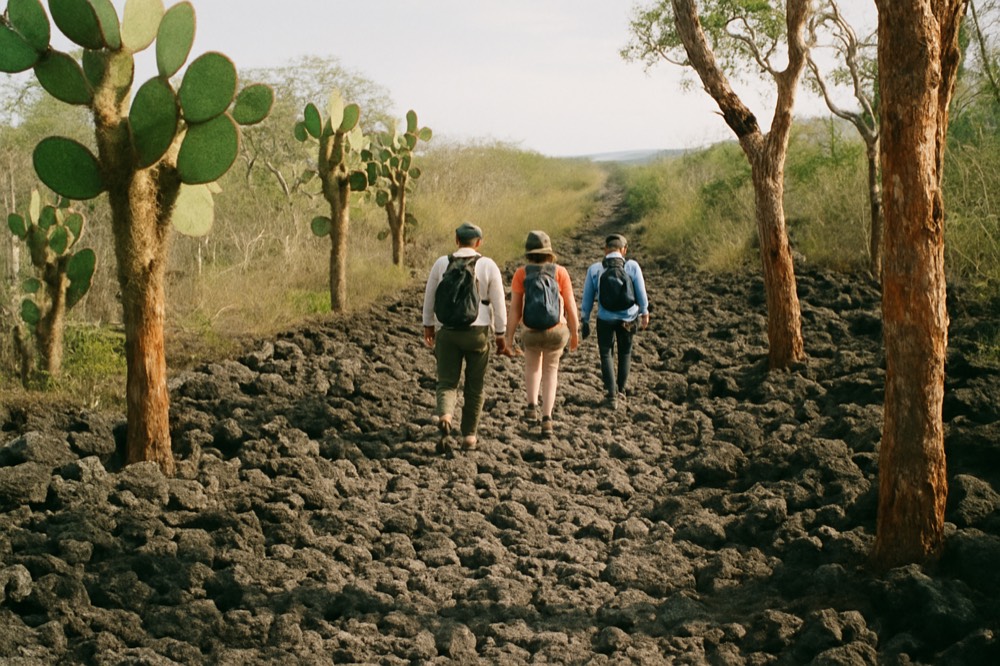
The distinction matters because the two styles reach different places. Land-based tours work from the four inhabited islands out to the sites within day-boat range, which covers a huge amount of the archipelago's accessible wildlife: giant tortoise reserves in the Santa Cruz highlands, Tintoreras islets off Isabela, Kicker Rock off San Cristobal, and Santa Fe, North Seymour and South Plaza as full-day boat trips. What they cannot practically reach are the far western sites around Fernandina and the remote north, which only overnight cruises visit. Some packages list Fernandina in their stop lists, so read the itinerary carefully: on a land-based tour that means a long day boat, not a dawn arrival by ship.
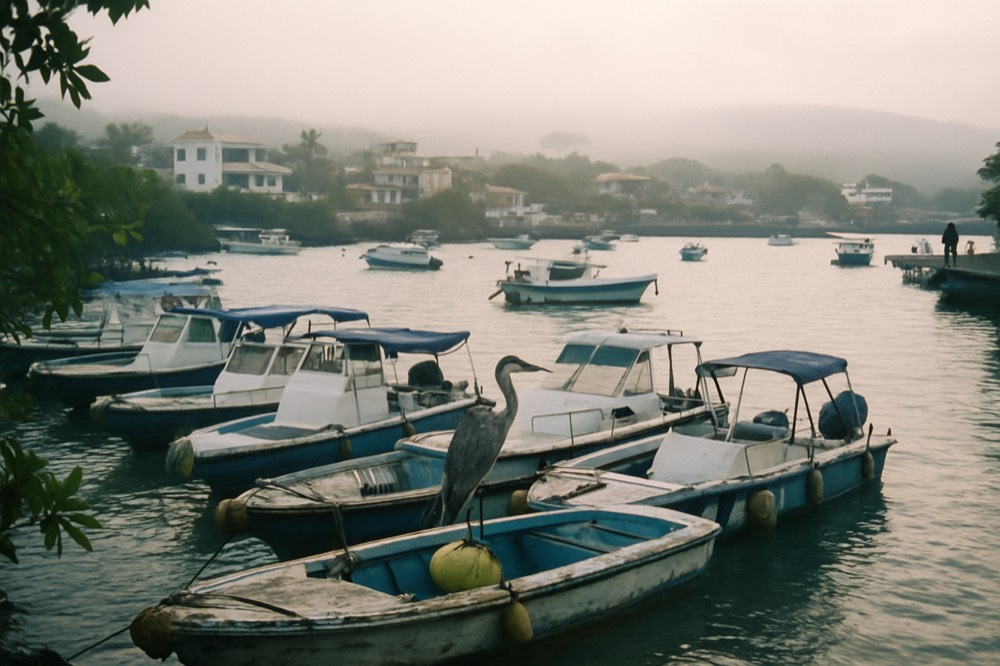
The mechanics are consistent across the market. You fly into Baltra or San Cristobal, a driver or guide meets you, and the first hotel night is already booked. On transfer days you ride the public speedboat between islands, typically two hours between Santa Cruz and Isabela, and the operator has your seats reserved. Day tours run with a park-licensed naturalist guide, which is not optional: visits to protected sites in Galapagos may only be made with a DPNG-accredited guide under the visit rules in force since August 2026. Meals vary by package, from breakfast only up to full board, and that difference is often a third of the real daily cost.
What Does The Packager Actually Save You?
The packager saves you the three bookings that are hardest to make from abroad: inter-island speedboat seats, which sell out in peak weeks; day-tour berths on the popular boats, which are capped at 16 passengers each; and airport transfers timed to ferry schedules. They also absorb the schedule risk when a crossing is delayed. What they cannot save you is the crossing itself.
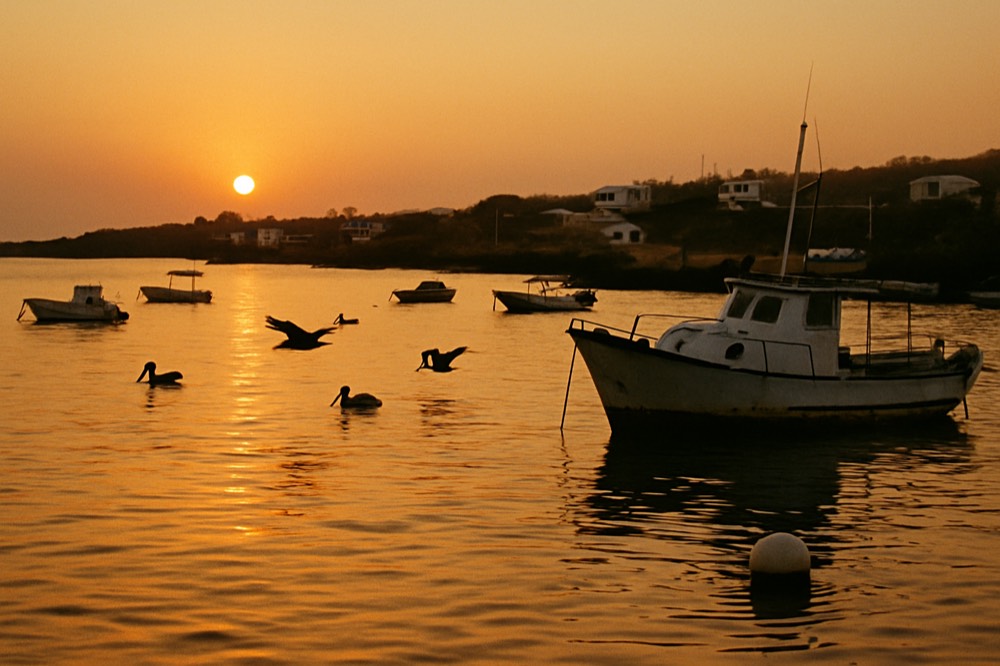
The speedboat network is the hidden backbone of every land-based itinerary, and it is the part almost never discussed honestly. The Santa Cruz to Isabela crossing runs about two hours on open water, and travellers consistently report the inter-island ferries as the roughest legs of any Galapagos trip, rougher than most cruise passages and most day boats. The national park's climate data explains why: the June-to-December cool season is defined by strengthening southeasterly winds, so crossings in the second half of the year are simply windier affairs. Nobody can give you a wave-height figure, because the archipelago's own wave buoy is out of service and the nearby NOAA stations are tsunami buoys, but the seasonal wind pattern is documented and consistent.
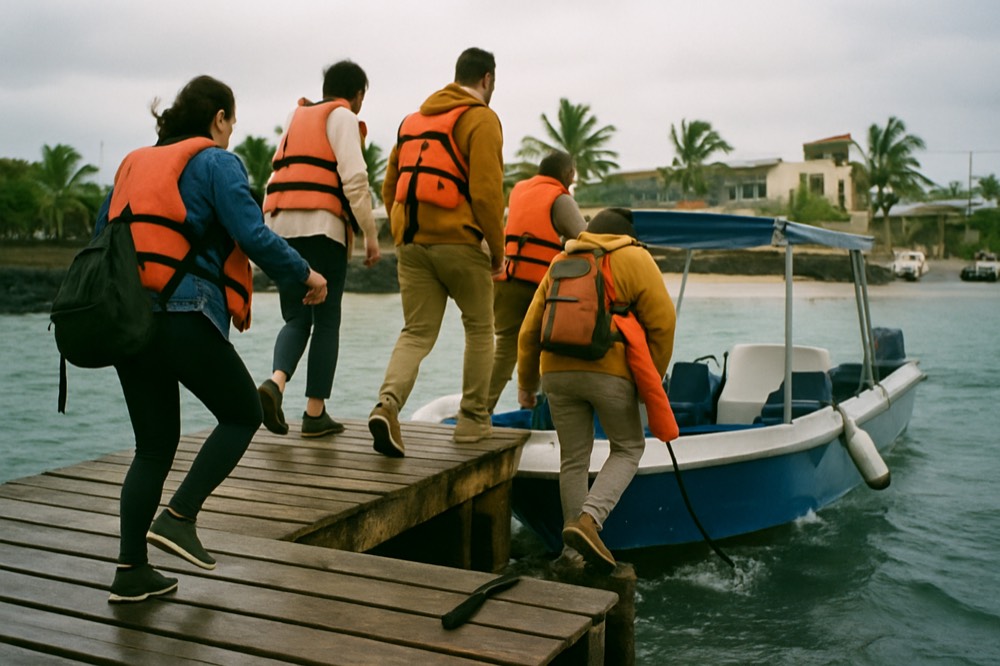
Day tours are the second thing the package quietly locks in. A day tour permit in the national park carries a maximum of 16 passengers, so the good boats fill weeks ahead in the March-to-April foreign peak. If you arrive in Puerto Ayora planning to buy spots on the Santa Fe or North Seymour boats as you go, you may find nothing for three days. A package has those berths pre-purchased.
The third saving is smaller but real: transfer coordination. Landing at Baltra means a free bus to the Itabaca Channel, a one-dollar barge crossing of about ten minutes, then either a two-dollar public bus or a roughly $25 shared taxi into Puerto Ayora. All of that is easy with a backpack and a spare afternoon. It is not easy at 7 a.m. when your speedboat to Isabela leaves at a fixed hour and the queue for the taxi is twenty deep. Packages put a name on the person holding the sign.
How Much Do Galapagos Land-Based Tours Cost?
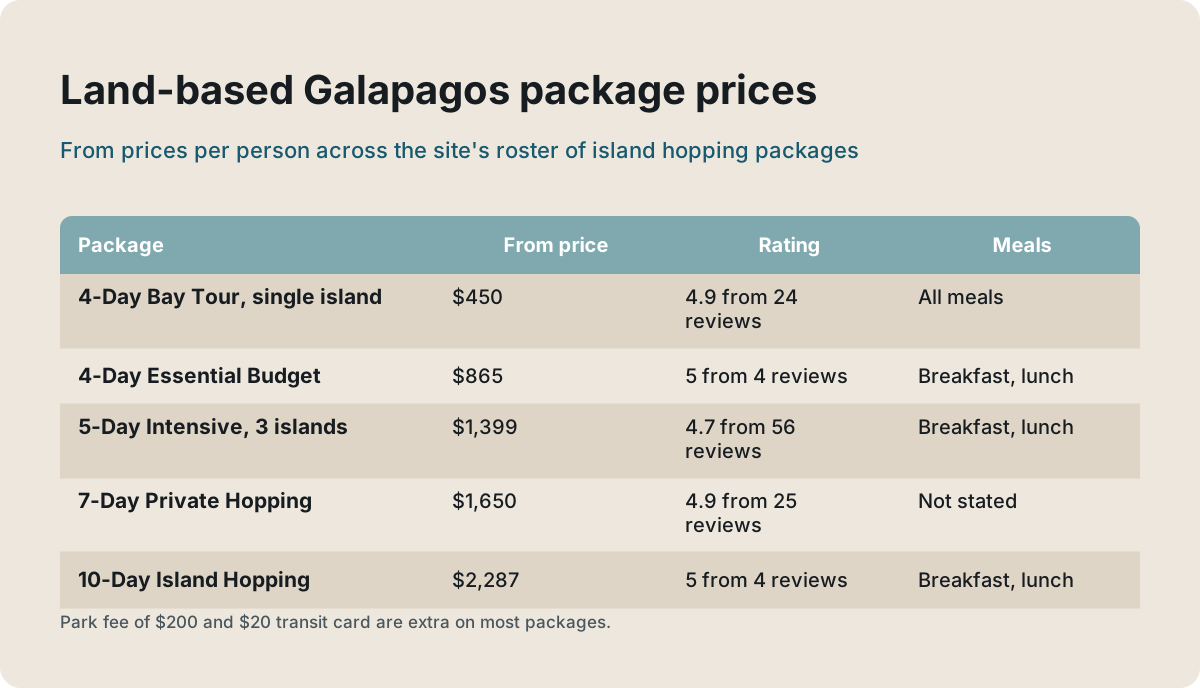
On this site's roster, land-based packages run from $450 to $2,898 per person for 3 to 10 days, with the most-reviewed five-day land package, the Intensive 5 Days tour, at $1,399. The $200 park fee and $20 transit card are extra on most packages, and flights to the islands are usually separate too.
The floor is lower than most people expect. The 4-Day Bay Tour package on this roster starts at $450 with all meals included, though it bases you on a single island, and the Essential Budget four-day tour starts at $865 with breakfast and lunch. From there the price climbs with island count and length: a solid five-day, three-island package such as the Intensive 5 Days land-based tour, 4.7 across 56 reviews, starts at $1,399, which is the largest review pool of any land package on this roster. Seven-day private hopping with free cancellation starts at $1,650, and the 10-day island hopping package, 5 across 4 reviews, starts at $2,287.
| Package (days) | From price | Rating | Meals | Pickup |
|---|---|---|---|---|
| 4-Day Bay Tour, single island | $450 | 4.9 from 24 reviews | All meals | Not stated |
| 4-Day Essential Budget | $865 | 5 from 4 reviews | Breakfast, lunch | No |
| 5-Day Intensive, 3 islands | $1,399 | 4.7 from 56 reviews | Breakfast, lunch | Yes |
| 7-Day Private Hopping | $1,650 | 4.9 from 25 reviews | Not stated | Yes |
| 10-Day Island Hopping | $2,287 | 5 from 4 reviews | Breakfast, lunch | No |
Read the "from" price honestly. On 33 of the 50 listings on this site the park fee field is simply not stated, which means you should assume the $200 park fee and $20 transit card are yours to pay regardless, in cash, on arrival. Flights from Quito or Guayaquil are excluded on most land packages too; one exception on this roster is the 4-Day Highlights tour with roundtrip flights included, from $2,299, which is worth pricing against a cheaper package plus flights booked yourself. For a fuller cost breakdown, see our Galapagos package cost guide.
The park's own arrival statistics give the cost question its context: 290,404 visitors arrived in 2025, up 4 percent, and the share staying on land rose again at both airports. Land-based is not the budget compromise it once was, it is the mainstream product, and prices reflect real demand in March and April. September is the annual trough for arrivals, and the one month where last-minute deals on hotel beds are genuinely findable.
Which Islands Should A Hopping Package Include?
Most packages chain Santa Cruz with either Isabela or San Cristobal, or both, because those are the three islands with hotels, ferries and day-boat infrastructure. Isabela delivers the best beaches and volcano landscapes, San Cristobal the best snorkelling day trips, and Santa Cruz the tortoise highlands and the central position. A fourth island, Floreana, appears rarely and usually as a boat stop.
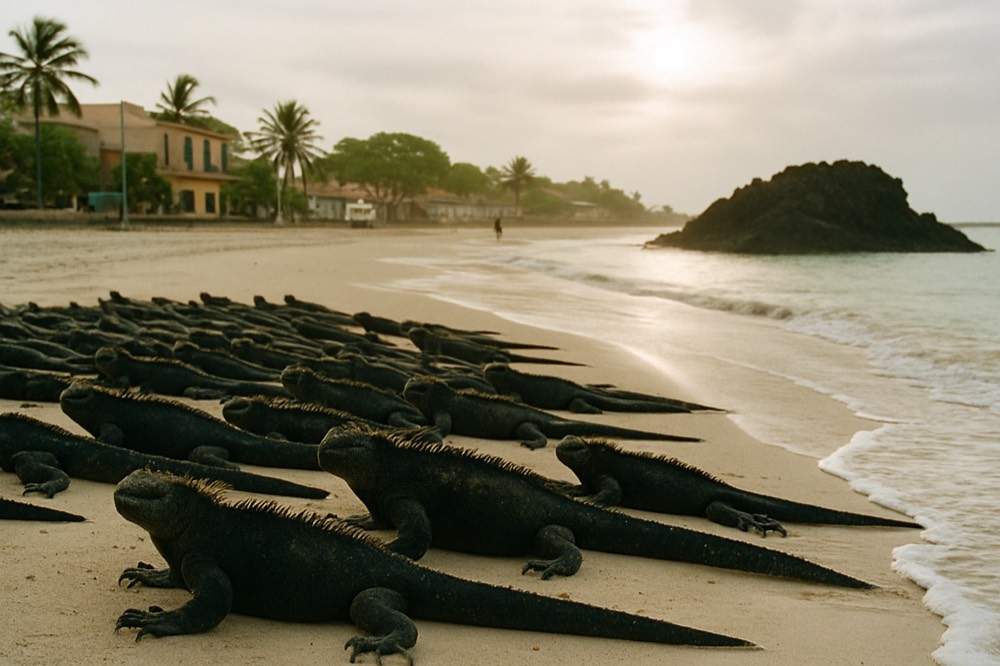
Isabela is the island people remember. It has the largest beaches, the Sierra Negra and Chico volcanoes, the Tintoreras islets with white-tip reef sharks and penguins, and the slowest pace of the three. The crossing there is also the longest and most commonly reported as rough, so travellers sensitive to motion should start medication the night before and consider a package that puts Isabela last rather than first. San Cristobal pairs the town of Puerto Baquerizo Moreno with Kicker Rock, one of the archipelago's signature snorkelling sites for sharks and sea turtles, plus sea lion colonies that occupy the town's own beaches. Santa Cruz is the logistics hub, with the giant tortoise reserves in the highlands, the Fausto Llerena breeding centre and the Charles Darwin Research Station in town.
| Island | Signature sights | Day trips from base | Best for |
|---|---|---|---|
| Santa Cruz | Tortoise highlands, Darwin Station, Las Grietas | Santa Fe, North Seymour, South Plaza, Bartolome | First or last base, wildlife variety |
| Isabela | Tintoreras, Sierra Negra, Los Tuneles, Wall of Tears | Los Tuneles, Volcan Chico | Beaches, volcanoes, slow pace |
| San Cristobal | Kicker Rock, Punta Pitt area, town sea lions | Kicker Rock snorkel, highland reserves | Snorkelling, sea lions, ease |
One booking mechanic now matters at three of the headline sites: since the visit rules of 12 August 2026, the Fausto Llerena and Arnaldo Tupiza breeding centres, Las Grietas, Volcan Chico and Minas de Azufre all require an advance QR reservation through the park's system, and only agencies registered in Galapagos can make it. A package operator handles this; a self-booked day trip through an unregistered outfit may find the door closed. The park lists 176 authorised visitor sites in total, 91 marine and 85 terrestrial, and every one of them is visited under permit and guide rules.
How Rough Are The Inter-Island Ferries, Really?
The speedboat legs are the honest downside of land-based travel: about two hours between Santa Cruz and Isabela, on open water, reported by travellers as the roughest passages in the archipelago, and noticeably more so from June to December when the southeasterly trade winds strengthen. Medication started the night before, a light breakfast and a seat near the stern all help.
The seasonal mechanism is documented rather than folklore. The Charles Darwin Foundation's climatology defines the cool season, June to December, as the period when the southeasterly winds strengthen across the archipelago, and the hot season, January to May, as when they weaken. Sea temperature at Puerto Ayora runs about 25.7 degrees Celsius in March against 21.5 in August and September, and the same wind cycle that cools the water also whips up the crossings. Travellers on the Galapagos forums who have done both styles repeatedly single out the public ferries, especially Santa Cruz to Isabela, as rougher than anything a cruise itinerary throws at them. Other pages covering the same trip are gathered on Galapagos Islands Tour Packages.
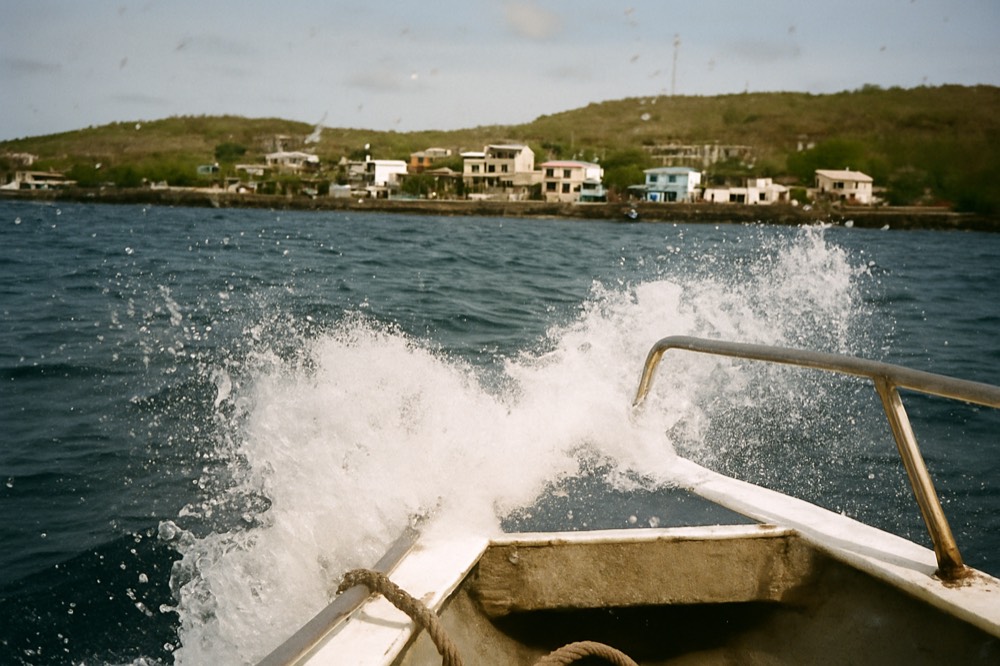
Practical advice from those reports: take motion-sickness medication the night before, not the morning of; sit toward the stern where the ride is steadier; keep the morning light; and do not schedule a flight or a tour for the same afternoon as an Isabela crossing, because departures can slip when the sea is up. If you are prone to severe seasickness, a package that bases you on one island with day boats out, or a cruise, serves you better than a three-island chain. Our comparison of the two styles goes deeper in cruise versus land-based packages.
What Wildlife Can You Actually Reach From Land?
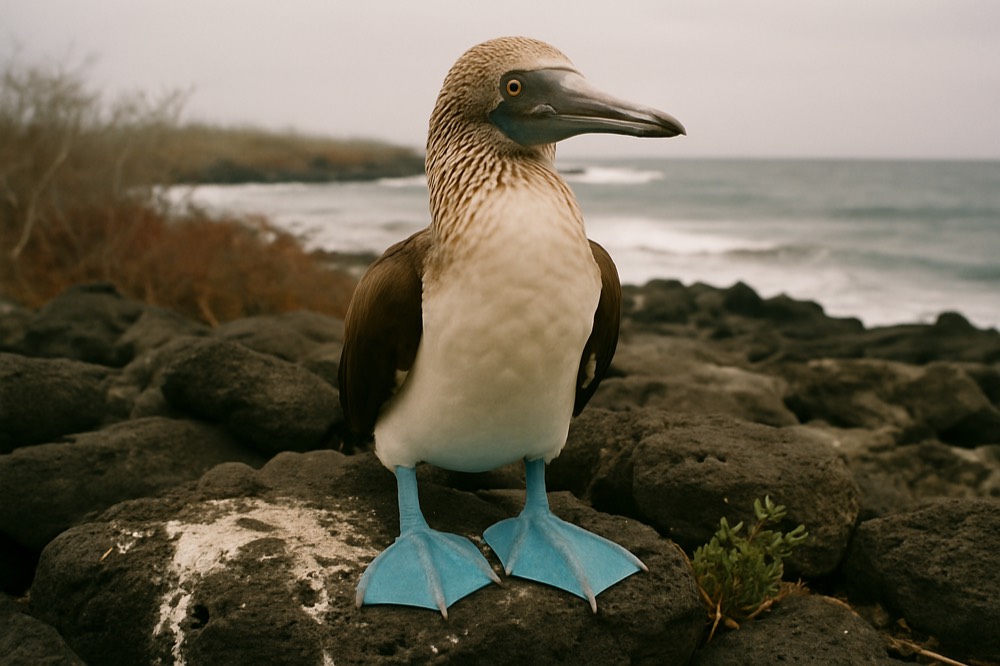
From land bases you can reliably reach giant tortoises, marine and land iguanas, sea lions, blue-footed and Nazca boobies, reef sharks, sea turtles and penguins, with the two caveats that penguin sightings concentrate around Isabela and that blue-footed boobies have no breeding season to plan around at all. The sites you cannot reach are the far west around Fernandina, which is cruise-only territory.
The blue-footed booby point is worth a paragraph because almost every competitor site gets it wrong. Blue-footed boobies are aseasonal, opportunistic breeders: in non-El Nino years, breeding in the larger colonies is fairly continuous, and a successful attempt runs five to six months. There is no month range to plan around, and any calendar promising one is invented. Galapagos penguins are the other honest case: their breeding tracks sea temperature rather than the calendar, tied to the cold, food-rich upwelling around Fernandina and Isabela, so the way to see them from land is simply to include Isabela in the itinerary.
The 2025 monitoring counts give a sense of what is out there: 26,336 marine iguanas, 6,936 sea lions and 336 sea turtles counted by the park, alongside 391 penguins and 656 flightless cormorants in the annual census. Those western-island species are the ones a land-based itinerary has to work hardest for; the central-island wildlife, tortoises, iguanas, boobies and sea lions, is essentially guaranteed on any competent package. For a deeper dive into which animals are where, see the Galapagos islands map and cruise routes guide.
How Many Days Should An Island Hopping Package Be?
Four days covers one island plus day trips and suits a short Ecuador trip; five to seven days is the sweet spot for two or three islands with realistic ferry days; eight to ten days lets you add the outer day trips like Espanola or Bartolome without rushing. Below four days you are effectively buying a single-base tour, not a hopping itinerary.
The ferry math drives this. Every island move eats half a day: the morning crossing, hotel check-in, and an afternoon too short for a real excursion. A five-day, three-island package therefore contains roughly three full activity days. That is enough for a tortoise-highland day, one or two boat trips and a volcano or islet walk, which is why the Intensive 5 Days package, 4.7 from 56 reviews, is the most-booked shape on this roster. Seven days adds breathing room and a fourth or fifth day trip. The ten-day version, from $2,287, is for people combining the Galapagos with nothing else.
| Trip length | Islands feasible | Realistic activity days | Typical roster price |
|---|---|---|---|
| 3-4 days | 1-2 | 2-3 | $450-$1,600 |
| 5 days | 2-3 | 3-4 | $1,108-$1,683 |
| 7 days | 3 | 5 | $1,650-$2,600 |
| 8-10 days | 3 plus outer day trips | 6-8 | $1,829-$2,898 |
Length also interacts with the two fixed costs every traveller pays regardless: the $200 park entrance fee, collected in cash US dollars by rangers at Baltra or San Cristobal airport, and the $20 transit control card, bought at the CGREG counter in Quito or Guayaquil before check-in (free online pre-registration speeds the counter up, but individual travellers still pay at the airport). On a four-day package those $220 are a big share of total cost; on a ten-day trip they nearly disappear into the budget. The full arrival-day walkthrough, including the biosecurity inspection of your bags at the mainland airport, is in our flights, park fee and transit card guide, and the official fee table is published by the national park.
How Do You Choose Between The Packages On Offer?
Compare packages on five axes only: number of islands, which day trips are confirmed versus optional, meals included, hotel pickup, and free cancellation. Ratings on this roster run from 3.0 to 5.0 but most pools are small, so read the review count beside every star figure and weight the itinerary over the score.
Start with the itinerary, not the price. Two packages at the same headline number can differ by a whole island. Check the confirmed stops against what you personally came for: if penguins matter, Isabela must be on the list; if Kicker Rock snorkelling matters, the package must base you on San Cristobal. Then check whether the headline day trips are confirmed or conditional, because several listings carry optional stops that cost more on the ground.
Free cancellation is rarer than you would think and worth having while flights settle. On this roster the 7-day private island hopping tour, 4.9 from 25 reviews, carries free cancellation, as do the 4-day Santa Cruz Bahia tour and the 12-day Quito combination. The rest mostly do not state it, which means assuming it is absent until the listing says otherwise.
On ratings, be a sceptic. A 5.0 from three reviews is a score from three people, not a verdict, and one package on this roster sits at 3.0 from 3 reviews, which we print plainly rather than spin. The most informative rating on the land side is the 4.7 from 56 reviews on the Intensive 5 Days package, because that pool is large enough to mean something. Where a listing shows no reviews at all, treat it as exactly that: a new or quiet product, not a bad one.
When Should You Book, And What Should You Book Yourself?
Book the package two to four months ahead for the March-to-April foreign peak, when ferry seats and the 16-passenger day boats genuinely sell out, and consider September, the annual arrivals trough, for last-minute flexibility. Book yourself only the flights, and even then check whether a flights-included package beats your own fare.
The demand pattern is not guesswork; the park's 2025 report shows foreign arrivals peaking in March and April, Ecuadorian arrivals peaking in August, and September as the quietest month of the year. First-half 2026 ran 9 percent ahead of the same period in 2025, so the squeeze is tightening rather than easing. Half of all international visitors are American, and they all want the same weeks.
Two things you should always arrange yourself: clean US dollar cash for the park fee, since cards are not reliably accepted at the ranger desks, and the transit card pre-registration, which is free online and takes minutes. The CGREG transit card FAQ covers the counter process, and the park's own arrival page walks through the Baltra bus, the one-dollar Itabaca Channel barge and the taxi options into Puerto Ayora. Arrive at the mainland airport three hours before your Galapagos flight: biosecurity inspectors X-ray and may hand-search every bag, and checked bags get sealed.
Everything else, the hotels, the ferries, the day-boat berths, the QR reservations at the breeding centres, is precisely what the package is for. That is the honest answer to what the packager is saving you: not money so much as the four or five bookings that are hardest to make from another continent, on a chain of islands where every boat leaves when it is full and not a minute after.
Common Questions About Galapagos Land-Based Tours
What Is A Galapagos Land-Based Tour?
A package that beds you in hotels on the inhabited islands, usually Santa Cruz, Isabela and San Cristobal, and moves you between them by public speedboat with guided day tours included in one price. You sleep ashore and reach wildlife by day boat rather than staying on a vessel.
How Much Does An Island Hopping Package Cost?
On this roster, from $450 for a single-island four-day bay tour to $2,898 for eight days across three islands, per person. The $200 park fee and $20 transit card are extra on most packages, and flights to the islands are usually booked separately.
Is Land-Based Better Than A Galapagos Cruise?
Land-based wins on flexibility, town life and usually price; cruises win on reaching the remote western sites around Fernandina and on never repacking. Four out of five visitors now choose land-based, but travellers who have done both split fairly evenly on which they preferred.
Are The Inter-Island Ferries Rough?
They can be. The Santa Cruz to Isabela crossing takes about two hours on open water and is the most commonly reported rough leg, especially from June to December when the trade winds strengthen. Start motion-sickness medication the night before and do not schedule anything tight after a crossing.
How Many Days Do You Need For Island Hopping?
Five to seven days is the sweet spot for two or three islands, because every island move costs half a day in ferry time. Four days suits a single base with day trips; eight to ten days lets you add the outer boat trips without rushing.
Do You Need A Guide On Land-Based Tours In Galapagos?
Yes, at protected sites. Visits to the national park and marine reserve may only be made with a DPNG-accredited naturalist guide, and since August 2026 several headline sites, including the tortoise breeding centres and Las Grietas, additionally require an advance QR reservation that only registered agencies can make.