Galapagos Island Tours For Seniors: Packages Sorted By Landings And Pace
The single detail that decides whether a Galapagos itinerary suits an older traveller is the landing: wet landings mean stepping off a small boat into surf, dry landings mean a dock or steps. This guide sorts the packages accordingly.
Short answer
For most older travellers, a land-based package beats a cruise: 79 percent of Galapagos visitors now stay on land. The Four Islands, Full Board package runs from $1020 per person with all meals, and the Santa Cruz Bahia tour from $689. Cruise permits cap vessels at 64 passengers, and every visit requires a guide.
The difference between a Galapagos trip an older traveller loves and one they endure rarely comes down to the wildlife. It comes down to the landing. A wet landing means stepping off a small inflatable boat, the panga, into shallow surf and walking up a beach in sandals or bare feet. A dry landing means a dock, steps or rock cut into a ledge. Neither is hard on a calm day, but a week of wet landings twice a day, on a moving boat, with a two-metre minimum distance from the animals you are trying to photograph, is a different proposition from a hotel-based itinerary with a handful of boat excursions.
This page sorts the multi-day packages on Galapagos Islands Tour Packages the way an older reader actually needs them sorted: by landing type, by walking pace, by season, and by what the price does and does not cover. It draws on the park's own published rules and on the visitor statistics the park releases each year, because those two sources answer questions the brochures tend to gloss over.
What Actually Makes A Galapagos Package Senior-Friendly?
A senior-friendly Galapagos package is one where the hard physical moments are optional, not mandatory: hotel beds instead of cabins, a handful of boat excursions instead of two landings a day, short guided walks on defined trails, and a guide who sets a slower pace for part of the group. Land-based packages deliver most of that structure, and 79 percent of Galapagos visitors now stay on land.
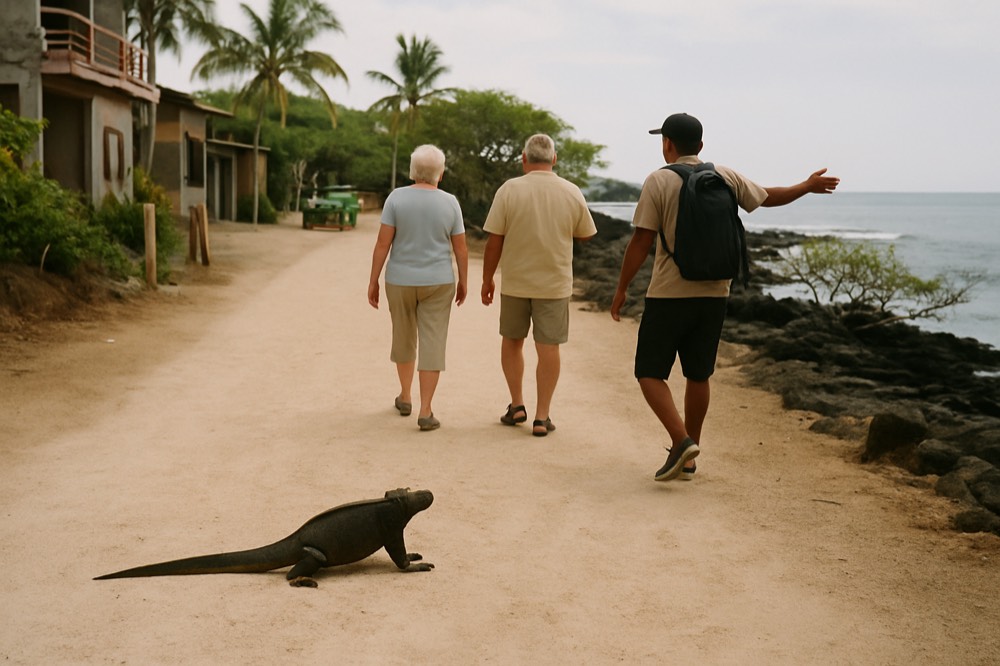
The park itself shapes what any package can offer. There are 176 authorised visitor sites in the archipelago, 91 marine and 85 terrestrial, and every visit to a protected site must be made with a park-accredited naturalist guide. Visitors must stay on marked trails, keep at least two metres from wildlife during walking and snorkelling, and keep four metres from animals during panga and kayak rides. Those rules protect the animals, but they also mean the walking is bounded: you cannot wander off-trail, and the distances are set by the site, not by your enthusiasm.
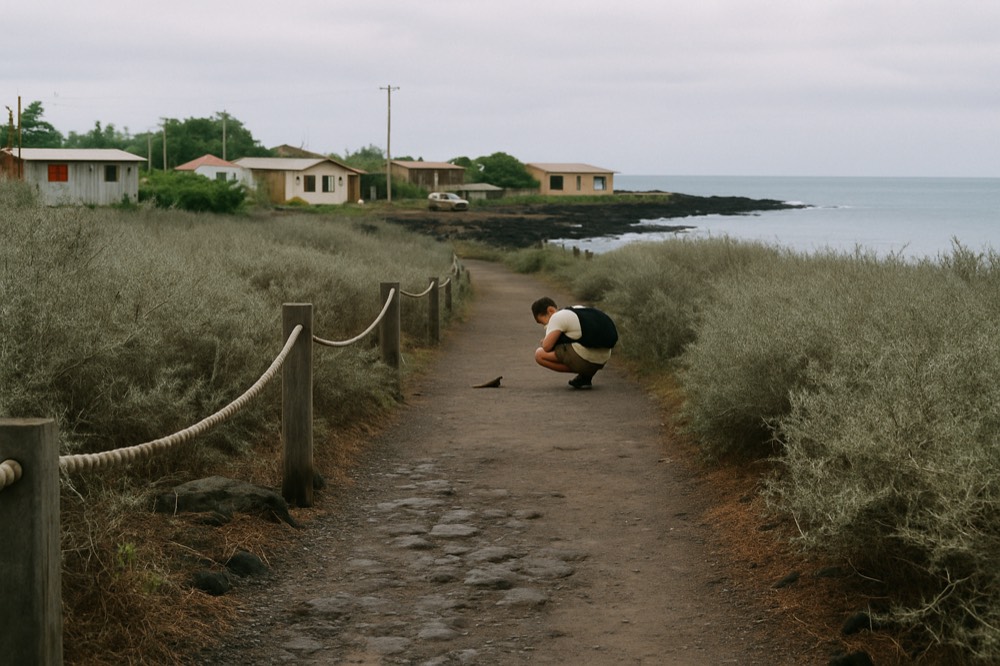
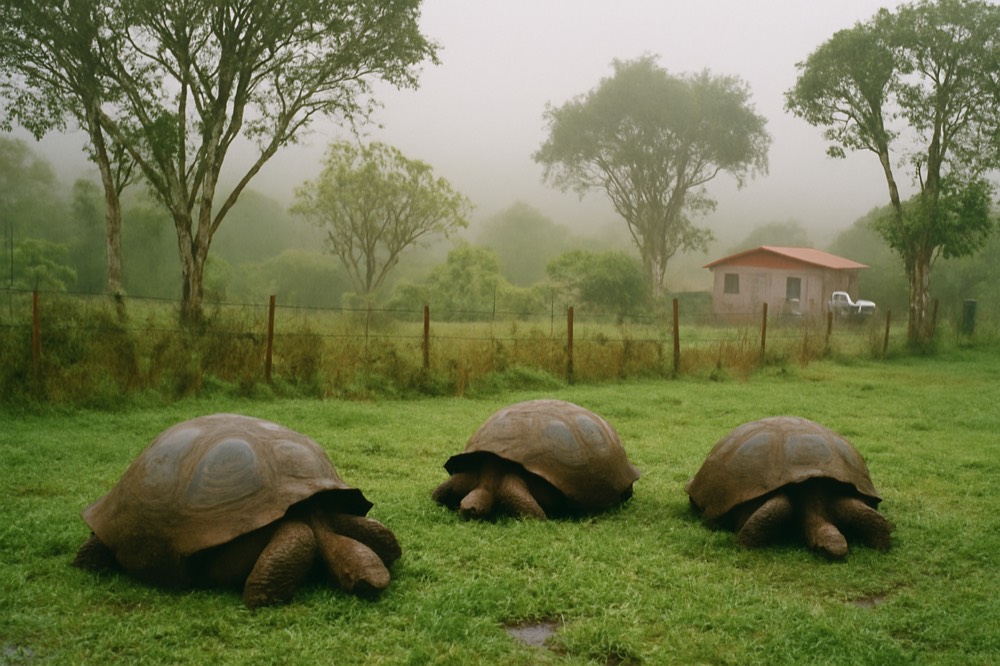
That structure is good news for an older traveller. A typical guided walk at a terrestrial site is a loop of a few hundred metres to a couple of kilometres, on terrain that ranges from a boardwalk to broken lava field. The lava fields are the honest caveat. Some sites, Bartolome's summit trail with its wooden stairway being the famous example, involve sustained steps. Others, like the tortoise reserves in the Santa Cruz highlands, are soft ground and gentle grades. A good operator will tell you, site by site, which walks have steps and which do not, and a good guide will run a slower parallel group when the party splits naturally.
The other structural fact worth knowing is that package sizes are capped by law. A cruise permit carries a maximum of 16 passengers and a cruise vessel a maximum of 64, per the special tourism regulation for protected areas. Day tours and bay tours are capped at 16 per permit and vessel. So "small group" on a Galapagos listing is not marketing language; it is the legal ceiling, and it means the guide-to-walker ratio on any landing is workable even for people who want to take their time.
Wet Landings Versus Dry Landings: The Deciding Factor
A wet landing puts you off the panga into shin-deep water to wade ashore; a dry landing puts you onto a dock, a rock step or a cut ledge without getting your feet wet. The practical questions are how many landings an itinerary makes per day, how many are wet, and whether the crew physically helps you out of the boat. Cruises make roughly two a day; hotel-based packages make far fewer.
The distinction matters more than any cabin category or ship star rating. On a cruise, the rhythm is a landing in the morning and another in the afternoon, every day, sometimes with a snorkel session between. Over a seven-day cruise that is a dozen or more transfers between panga and shore. On a land-based package, the boat transfers happen only on excursion days, and several days, highland tortoise visits, town walks, the breeding centre, involve no boat at all.
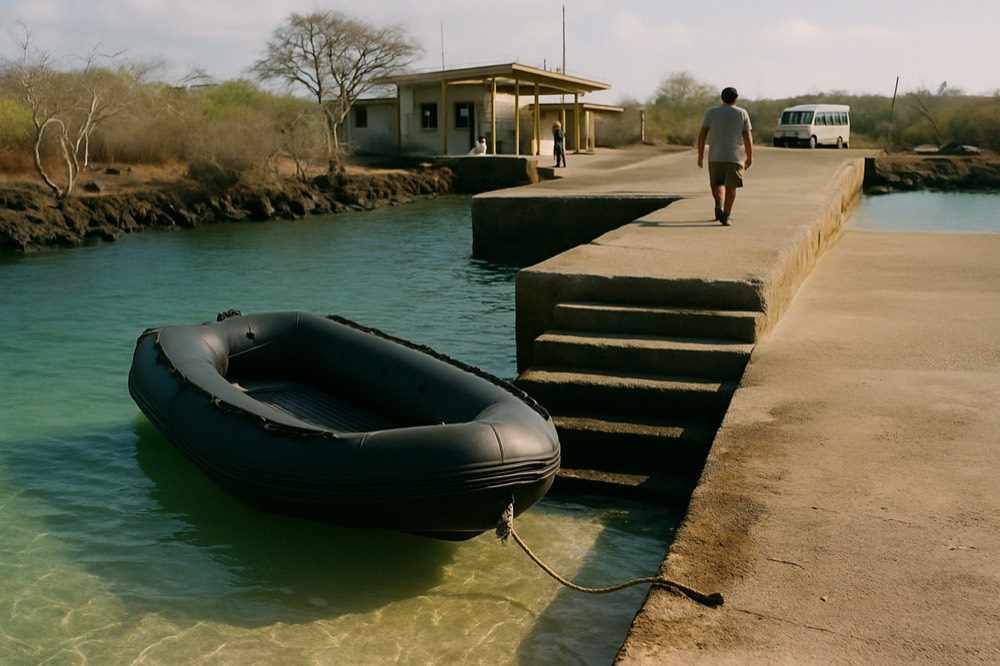
Neither landing type is inherently dangerous, and crew help is standard practice: a crew member steadies the panga and offers a forearm. But the failure mode on a wet landing is a slip on wet sand with a camera in one hand, and the failure mode on a dry landing is a wave timing mistake at a rock step. If you have any hip, knee or balance concern, the honest planning move is to count landings before you book, not to hope. Ask the operator, in writing, how many wet landings the itinerary includes and whether any can be skipped in favour of a panga ride along the shore.
The stop list on a listing is a rough proxy for the landing profile. The table below groups the most common stop types by what they demand of your feet.
| Stop type | Typical landing | Walking surface | Notes for slower walkers |
|---|---|---|---|
| Tortoise reserve, Santa Cruz highlands | Van access, no boat | Soft ground, gentle grades | The easiest wildlife viewing in the archipelago |
| Breeding centre (Fausto Llerena, Arnaldo Tupiza) | Walk-in from town | Paved or firm paths | Now requires an advance QR reservation |
| Bay tour around a populated port | Dry, from the dock | Minimal | Calm water, no open-sea crossing |
| Santa Fe or North Seymour day trip | Often wet, onto a beach | Sand and short loops | Two short walks, panga ride between |
| Bartolome summit trail | Dry, then wooden stairway | Steps and boardwalk | Sustained stairs; the summit view is the payoff |
| Western cruise sites (Fernandina, Isabela west) | Mix of wet and dry | Broken lava field | Cruise-only territory, roughest seas |
The packages below are the three we would put in front of an older traveller first, spanning the full price range: a hotel-based four-day tour, a short bay-and-island tour, and a small-ship cruise for those who still want the full expedition rhythm.
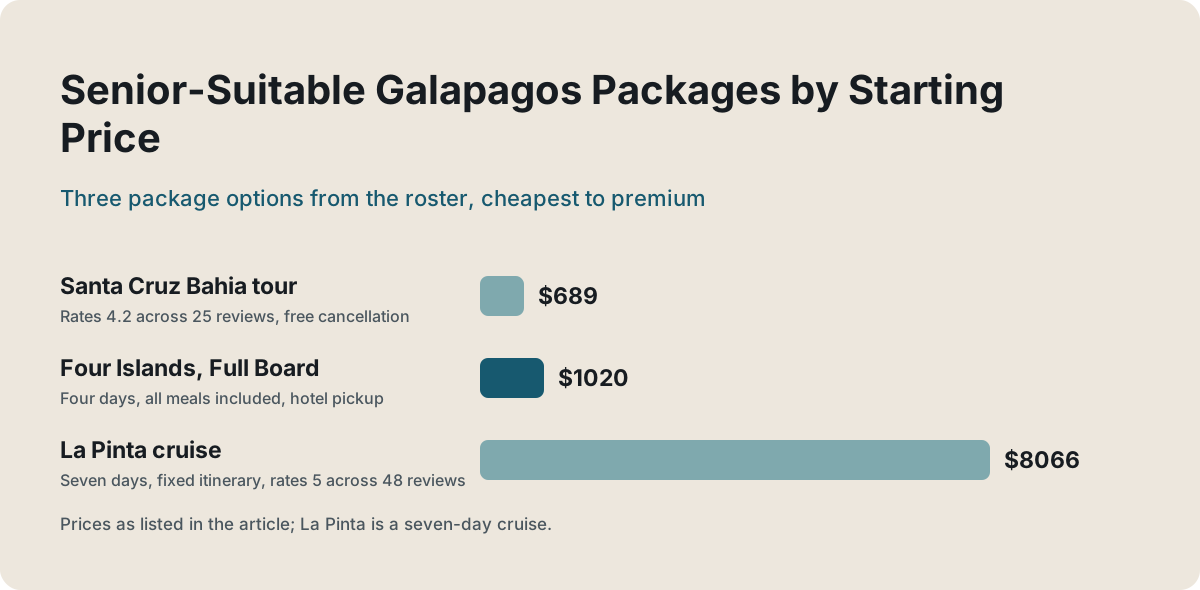
The cheapest of the three, the Santa Cruz Bahia tour, runs from $689 per person and rates 4.2 across 25 reviews, with free cancellation. The Four Islands, Full Board package runs from $1020 with all meals included. The La Pinta cruise, from $8066, is the premium end: 5 across 48 reviews, seven days, and a fixed itinerary that includes Isabela, Floreana and Fernandina. The gap between those two prices is real, and later sections break down what the extra money buys and what it does not.
Which Itineraries Run A Slower Walking Group?
No Galapagos operator advertises a dedicated seniors group, but the small legal group size, 16 passengers per permit, means a naturalist guide can and usually does split a party by pace at any site with terrain. The itineraries that suit slower walkers best are weighted toward highland tortoise reserves, breeding centres and bay tours rather than lava-field summit trails. Hotel-based packages give you the most control.
The pattern to look for in a listing is the stop list. Packages that name Santa Cruz highlands, the Fausto Llerena tortoise centre, or a bay tour are telling you the walking is soft. Packages that name Bartolome, Suarez Point on Espanola, or the summit of a volcano are telling you there are steps and uneven rock. Both are spectacular. Only one of them is a rest day in disguise.
One planning detail that changed recently: the park now requires an advance QR reservation for six specific sites, including the Fausto Llerena and Arnaldo Tupiza tortoise breeding centres and the Las Grietas swimming inlet on Santa Cruz. Only agencies registered in Galapagos province can make those reservations, and the QR code is checked at the site entrance. In practice this means an organised package has become slightly more valuable than independent wandering for exactly the sites older travellers most want to see. You cannot walk into the tortoise centre on the day anymore.
For a concrete recommendation, the Four Islands, Full Board tour is the package on our roster that best matches this profile. It runs four days from $1020 per person, rates 4 across 5 reviews, includes breakfast, lunch and dinner, and includes hotel pickup. Its confirmed stops are San Cristobal, Santa Cruz, Isabela, Santa Fe and Baltra: mostly soft-walking islands, no overnight sailing, and a pace you can shape by choosing which optional excursions to join. If you want the same logic over a longer stretch, the private 7-day island hopping tour, from $1650 with free cancellation and 4.9 across 25 reviews, is the same idea with more islands and the flexibility of a private format.
Cruise Or Land-Based For An Older Traveller?
Land-based wins for most older travellers on three grounds: you sleep in the same hotel bed for two or three nights at a stretch, you avoid the inter-island ferry legs that travellers consistently report as the roughest boat rides in the archipelago, and you can skip any excursion day without the boat leaving without you. Cruises win on remote-site access: Fernandina and the western islands are effectively cruise-only territory.
The visitor statistics already reflect this trade-off. Four out of five Galapagos visitors stay on land, and the shift is accelerating: among foreign arrivals through Baltra, the share staying on land rose from 62 percent to 66 percent in a single year. The cruise minority is buying something specific, which is the western islands, the long navigation legs, and the fixed expedition rhythm.
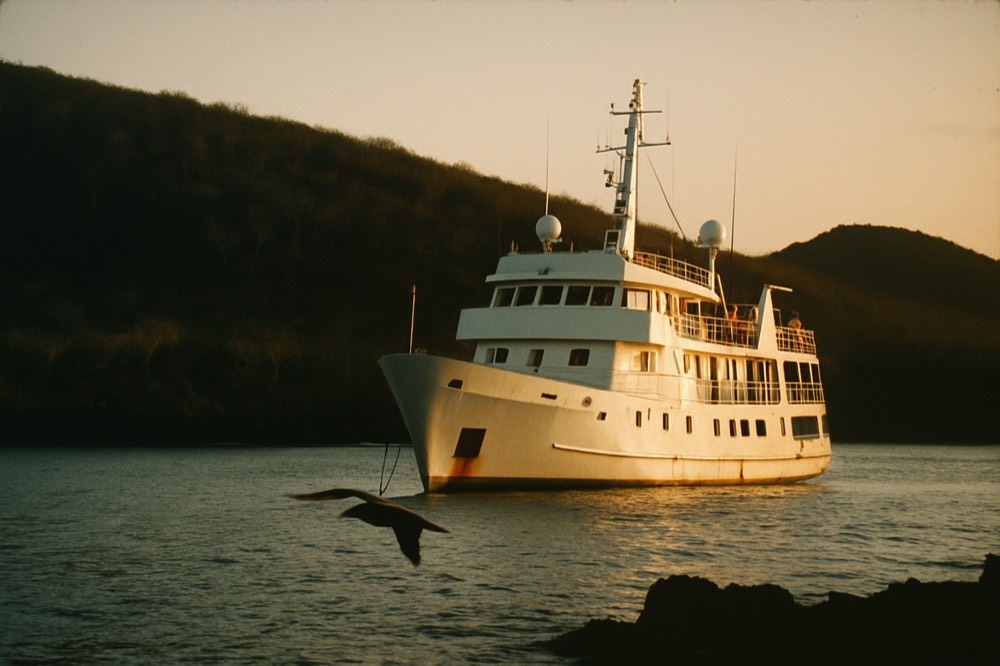
Two honest caveats on the cruise side. First, itineraries are fixed by the park and cannot be modified; the park's own authorisation language for a vessel itinerary states it may not be changed under any concept without express park permission. On a big ship the schedule genuinely cannot move for weather or for a tired passenger. Second, only vessels under 20 passengers may change itinerary at all, per the park management plan, and that plan contemplates vessels up to 100 passengers. If a slower, smaller, more adjustable experience is the goal, the smaller the vessel the better.
The inter-island ferries are the sleeper issue for land-based travellers, and it is worth reading the fine print of any package: some packages include the Santa Cruz to Isabela speedboat crossing, which travellers report as the roughest ride in the archipelago, while others route around it or use flights. The cool season, June to December, is when the southeasterly trades strengthen, which is the documented physical reason the second half of the year is the choppier half. If you are prone to motion sickness, book the January-to-May window and start medication the night before any boat day. Our cruise versus land package comparison works through this trade-off in more depth.
When To Go For The Most Comfortable Conditions?
The hot season, January to May, is the calmer and warmer window for older travellers: sea temperature at Puerto Ayora averages 25.7 degrees Celsius in March against 21.5 in August and September, the trades are weaker, and rain comes as brief heavy showers rather than the cool season's persistent drizzle. September is both the coolest sea month and the annual trough for arrivals, meaning thinner crowds.
Those sea and air figures come from the Charles Darwin Foundation's climatology database, computed from the long-running research station record at Puerto Ayora. The practical translation: in March the water is roughly four degrees warmer than in September, which changes how long you will happily snorkel, and snorkelling is half the point of the place.
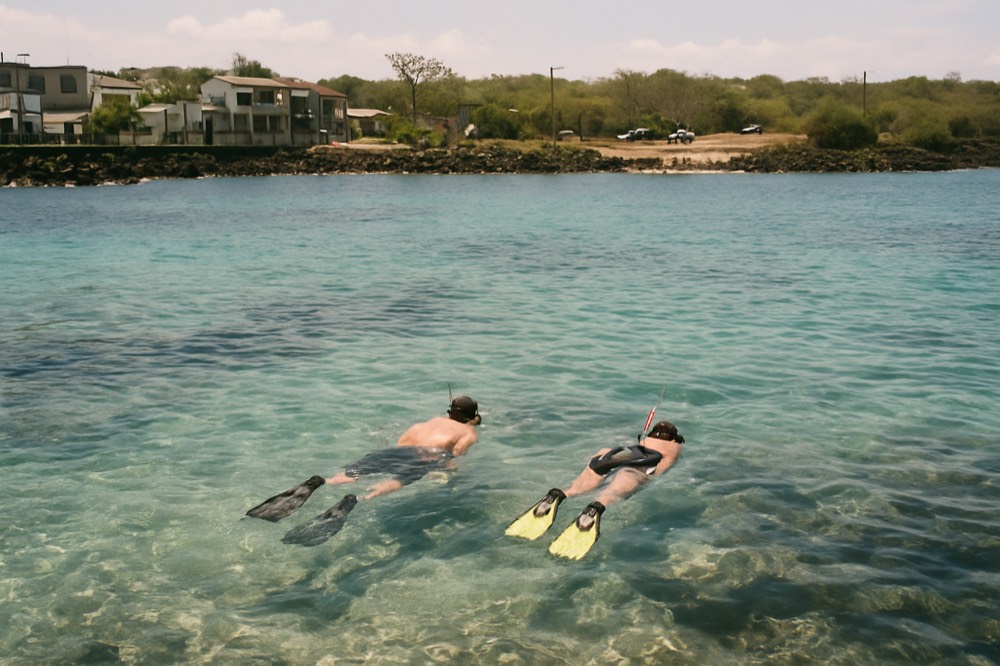
Demand peaks twice a year: foreign visitors peak in March and April, Ecuadorian visitors peak in August, and September is the annual low. If your dates are flexible and you want warmth and calm, March to April is the sweet spot, at the cost of the busiest sites. If you want quiet and do not mind a wetsuit, September rewards you. Our best time for a Galapagos cruise guide covers the wildlife calendar month by month.
| Window | Mean sea temperature, Puerto Ayora | Visitor demand | Trade-off for older travellers |
|---|---|---|---|
| January to May (hot season) | 24.5 to 25.7 °C, peaking in March | Foreign peak March to April | Calmest seas, warmest water, busiest sites |
| June to August (cool season) | 23.5 down to 21.5 °C | Ecuadorian peak in August | Choppier crossings, cooler water, drizzle in the highlands |
| September | 21.5 °C, the annual low | Annual trough for arrivals | Quietest sites, coolest water, strongest trades |
| October to December | 21.7 rising to 23.2 °C | Recovering toward the holidays | A middle ground: calmer than August, warmer than September |
What Does A Senior-Suitable Package Cost?
Prices across the packages that suit older travellers run from $689 to $8066 per person, and the median land-based package sits far below the headline cruise figures. Every price is per person. Two costs sit outside almost every package: the $200 park entrance fee, paid in cash US dollars to rangers on arrival, and the $20 transit control card, bought at the Quito or Guayaquil airport counter.
The table below groups the roster's most senior-plausible packages by format and shows what the price buys. Where a listing does not state whether flights or the park fee are included, we say so; a listing that never mentioned it is not a promise either way.
| Package | Format | From (per person) | Rating | Meals | Pickup |
|---|---|---|---|---|---|
| 4 Days Santa Cruz & Bahia Tour | Land-based, 4 days | $689 | 4.2 from 25 reviews | Full board | Not stated |
| 4-Day Land Tour, Isabela and Santa Cruz | Land-based, 4 days | $1020 | 4 from 5 reviews | Full board | Included |
| 8-Day Island Hopping | Land-based, 8 days | $1829 | 4.6 from 7 reviews | Breakfast and lunch | Not included |
| Private 7-Day Island Hopping | Private, 7 days | $1650 | 4.9 from 25 reviews | Not stated | Included |
| 7-Day Isabela II Cruise | Small-ship cruise | $6137 | 4.9 from 31 reviews | Not stated | Not stated |
| 7-Day La Pinta Cruise | Small-ship cruise | $8066 | 5 from 48 reviews | Not stated | Not stated |
Read the gap between $1020 and $8066 carefully. The land-based package buys hotels, guided day excursions, transfers and most meals. The cruise buys the western islands, the full-board rhythm and a cabin that moves with you. What it does not buy is flexibility: the itinerary is fixed, the pace is set, and the daily landing count is the highest of any format. For a fuller breakdown of where the money goes, see our Galapagos package cost guide, and for the cruise end of the market, the Galapagos cruise packages overview.
Health, Accessibility And Airport Logistics
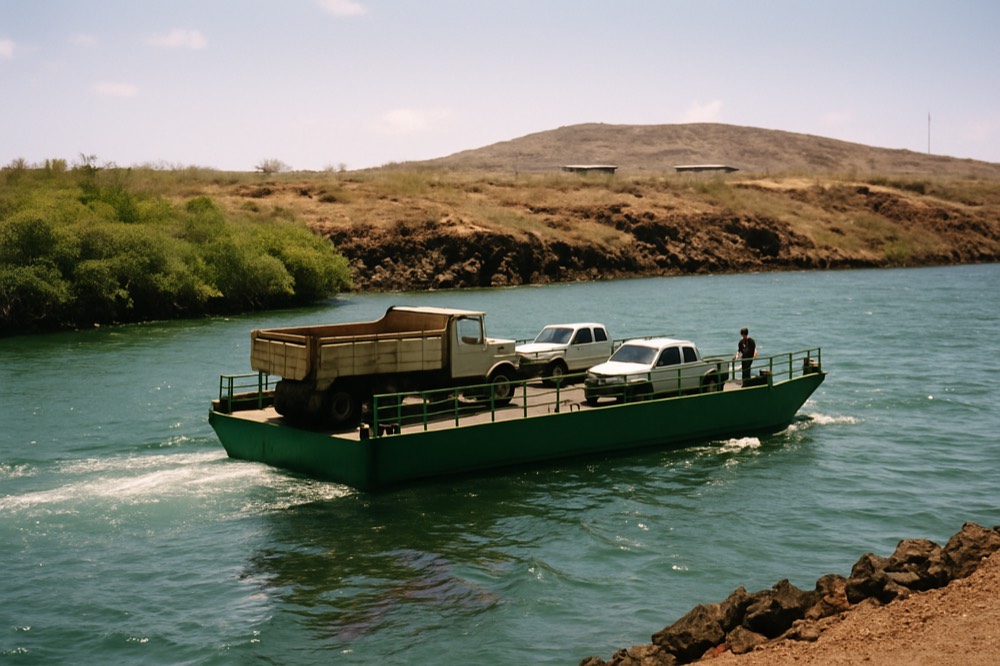
Three logistics facts matter more for older travellers than for anyone else: you cannot fly to Galapagos on a one-way ticket, the park fee is cash only, and the standard arrival sequence at Baltra involves a free 10-minute bus, a $1 ferry across the Itabaca Channel, then either a $2 public bus or about a $25 taxi to Puerto Ayora. None of it is strenuous, but all of it is easier with a printed itinerary in hand.
The cash point deserves emphasis because it surprises people. There is no online prepayment portal for the park entrance fee; rangers collect it in US dollars at Baltra or San Cristobal airport. The transit control card is $20 per person, bought at the government counter at Quito or Guayaquil before check-in, though free online pre-registration speeds the counter up. The official arrival advice is to reach the mainland airport three hours before the flight, because biosecurity inspection of every bag adds a step no mainland domestic flight has.
On health, the verified position is simple: US, UK and Canadian citizens need no visa for stays under 90 days in any 12-month period, passports must be valid six months, and no vaccinations are required to enter Ecuador. The park's rules do the rest of the health framing for you: two metres from wildlife, marked trails only, no flash photography, and sunscreens containing oxybenzone or octinoxate are restricted during water activities, so pack a reef-safe mineral alternative. If you take prescription medication, bring it in hand luggage; inter-island boat days start early and the pharmacy situation outside Puerto Ayora is thin.
For cruise bookings specifically, the park states that a naturalist guide meets guests at Baltra airport and takes them to the boat, which removes the arrival scramble entirely. That handoff is one of the quiet advantages of the cruise format for anyone who would rather not manage buses and ferries alone. The flights, park fee and transit card guide walks through every step of the airport sequence.
How To Choose: A Shortlist By Landing Profile
Start from the landing count, then the season, then the price. A traveller who wants no wet landings at all should take a bay-tour-based package like the Santa Cruz Bahia tour; a traveller comfortable with occasional boat days but not with overnight sailing should take the four-day Isabela and Santa Cruz land tour; a traveller who wants the western islands should take a small-ship cruise in the hot season.
The decision sequence in one paragraph: decide whether overnight sailing is acceptable, because that single answer cuts the roster roughly in half. If it is not, you are choosing among hotel-based packages, and the differentiators become meal coverage, pickup inclusion and which islands the stop list names. If it is, you are choosing among cruise itineraries, and the differentiators become the western-island question and the landing rhythm. Then set the month, because the same package in March and the same package in September are physically different trips.
| If this describes you | Format to pick | Example package | Why |
|---|---|---|---|
| No boat transfers wanted beyond a bay | Land-based, bay tour | 4 Days Santa Cruz & Bahia Tour, from $689 | Full board, free cancellation, no inter-island ferries |
| Occasional boat days fine, no overnight sailing | Land-based, multi-island | 4-Day Land Tour, Isabela and Santa Cruz, from $1020 | Full board, pickup included, soft-walking stop list |
| Flexibility and privacy at a moderate price | Private land-based | Private 7-Day Island Hopping, from $1650 | 4.9 from 25 reviews, free cancellation, private guide |
| Western islands, full expedition | Small-ship cruise | 7-Day Isabela II Cruise, from $6137 | 4.9 from 31 reviews, Fernandina and Isabela access |
Whichever direction you take, ask the operator two questions in writing before paying: how many wet landings the itinerary includes, and whether the guide will run a slower walking group when the party splits. Any operator that answers those two questions plainly has already told you most of what you need to know about how they treat older guests.
If you are still comparing, these are the three packages we would shortlist again, side by side.
Common Questions About Galapagos Packages For Seniors
Are Galapagos Tours Suitable For Seniors?
Yes, with the right package. Land-based itineraries sleep in hotels, make far fewer boat landings than cruises, and let you rest on non-excursion days. Group sizes are legally capped at 16 passengers per permit, so guides can and do split parties by walking pace. The deciding factor is the landing count, not your age.
What Is A Wet Landing In The Galapagos?
A wet landing means the panga, the small inflatable boat, noses onto a beach and you step off into shallow water, usually shin-deep, and wade ashore. A dry landing means you step onto a dock, rock step or cut ledge without getting your feet wet. Crew members steady the boat and offer a forearm at both.
Can You Do The Galapagos Without A Cruise?
Yes, and most visitors now do. 79 percent of Galapagos visitors stay on land rather than on a vessel, a share that rose again in 2025. Land-based packages cover Santa Cruz, Isabela, San Cristobal and Santa Fe with guided day excursions, and hotel pickup is included on many of them.
How Much Walking Is Involved In A Galapagos Tour?
Typical guided walks are loops of a few hundred metres to a couple of kilometres on marked trails, per park rules. Some sites involve wooden stairways, like Bartolome's summit, while others, like the tortoise reserves in the Santa Cruz highlands, are soft ground and gentle grades. Ask the operator which stops have steps before booking.
Do I Need To Pay The Park Fee In Cash?
Yes. The $200 entrance fee for foreign adults is collected in cash, in US dollars, by park rangers at Baltra or San Cristobal airport on arrival. There is no online prepayment portal. The $20 transit control card is separate and is bought at the government counter at Quito or Guayaquil airport.
Which Month Is Calmest For Older Travellers?
The hot season, January to May, is the calmer window: sea temperature at Puerto Ayora averages 25.7 degrees Celsius in March against 21.5 in August and September, and the southeasterly trades that drive the chop are weakest then. March and April are also the busiest months for foreign visitors; September is the quietest.