Combining Machu Picchu And The Galapagos On One Trip
Two bucket-list destinations, two countries, one itinerary. The hardest part of booking tours Machu Picchu and Galapagos combined is not the price, it is the order you visit them in.
Short answer
Combined Machu Picchu and Galapagos packages run 8 to 12 days and start between $2,876 and $4,495 per person. The single biggest planning decision is altitude sequencing: the Andes sit thousands of metres above sea level, and whether you acclimatise before or recover after the islands shapes the whole trip.
Two of South America's headline destinations, Machu Picchu in Peru and the Galapagos in Ecuador, share a continent and almost nothing else. Machu Picchu is a high Andean citadel reached through thin mountain air; the Galapagos are sea-level volcanic islands reached only by plane from the Ecuadorian mainland. Combining them in one trip is entirely routine, operators sell it as a single package, and the logistics are solved. What is not solved automatically is the order you do them in, and that choice quietly determines how the whole fortnight feels.
This page walks through the combined packages actually on the market, what they cost, what they include, and the sequencing question that most first-time visitors get backwards. The short version: go to the islands either fully acclimatised or fully recovered, never in the middle of adjusting to altitude.
What Do Tours Machu Picchu And Galapagos Combined Actually Look Like?
A combined tour is a single booking that chains the two destinations through a mainland Ecuadorian gateway, almost always Quito. Packages run 8 to 12 days, cost from roughly $2,876 to $4,495 per person, and typically cover mainland hotels, the Galapagos island program and guided excursions, while international flights and the $200 park fee stay separate.
The structure is consistent across operators even when the branding differs. You fly into Quito or Lima, spend a night or two on the mainland, then take the included or separately booked flight to the Galapagos, where the itinerary runs as a standard land-based island program with hotel nights and guided day excursions. From there the trip swings to Peru: Cusco, the Sacred Valley, and the train or trek to Machu Picchu itself. Some packages run the Galapagos first and Peru second, others reverse it, and a few slot the islands in the middle of the Ecuadorian mainland segment.
On this site's roster, the combined products sit in a dedicated mainland-plus-Galapagos family alongside Quito-only combinations. The pure two-country options are the 10-day Machu Picchu combo from $2,927.11 per person and the 12-day Cusco, Machu Picchu and Galapagos tour from $4,495 per person, the latter the only one of the pair with full board in the islands. Both include breakfast and lunch, hotel pickup and guided stops at Bartolome, Santa Cruz and Isabela among the confirmed island visits.
If you want a fuller picture of the one-country version of this idea, where Quito or Guayaquil is the destination rather than a transit point, the mainland Ecuador and Galapagos combination guide breaks those packages down separately.
How Does Altitude Sequencing Decide The Whole Trip?
Cusco and the Sacred Valley sit far above sea level while the Galapagos sit at it, so the order you visit them in controls how your body copes. Doing the high-altitude Peru segment first means you arrive in the islands already acclimatised and recover at sea level; doing it last means you climb into thin air straight off a beach trip, which most travellers find harder.
This is the real constraint of a combined trip, and it is the one thing a package price cannot fix for you. The Andean segment of these tours involves sleeping, walking and climbing at significant elevation for several consecutive days. The Galapagos segment involves snorkelling, panga rides and gentle coastal trails at sea level. The two put opposite demands on the same body in the same fortnight.
There is no single correct order, but the trade-offs are stark and worth deciding before you shop, because it filters the packages available to you.
| Sequencing option | How it feels | Who it suits |
|---|---|---|
| Peru first, islands second | Acclimatise in Cusco, then descend to sea level and recover with snorkelling and slow days | Travellers who want the physically harder half done early |
| Islands first, Peru second | Beach-conditioned legs, then a sudden climb into thin Andean air on the final days | Travellers who prefer easing in gently, accepting a harder finish |
| Mainland Ecuador buffer between the two | A night or two in Quito, which itself sits at moderate elevation, softens the transition either direction | Anyone worried about the jump between the two extremes |
Most operators build a buffer in regardless: the Quito or Lima nights at the start of a package are not padding, they are the acclimatisation window. If a package you are comparing shows no mainland nights at all, treat that as a question to ask before booking rather than a saving. The practical advice that shows up again and again from travellers who have done both segments is to start any altitude medication or precaution on schedule rather than on arrival, and to keep the island half flexible, since its days are the ones you can reshuffle without penalty.
The packages on this site that combine both destinations, from the Peru-heavy 12-day version to the shorter 10-day option, take different positions on this question, so the sequencing table above is worth holding in mind as you compare them.
What Do Combined Packages Cost Compared With Each Leg Alone?
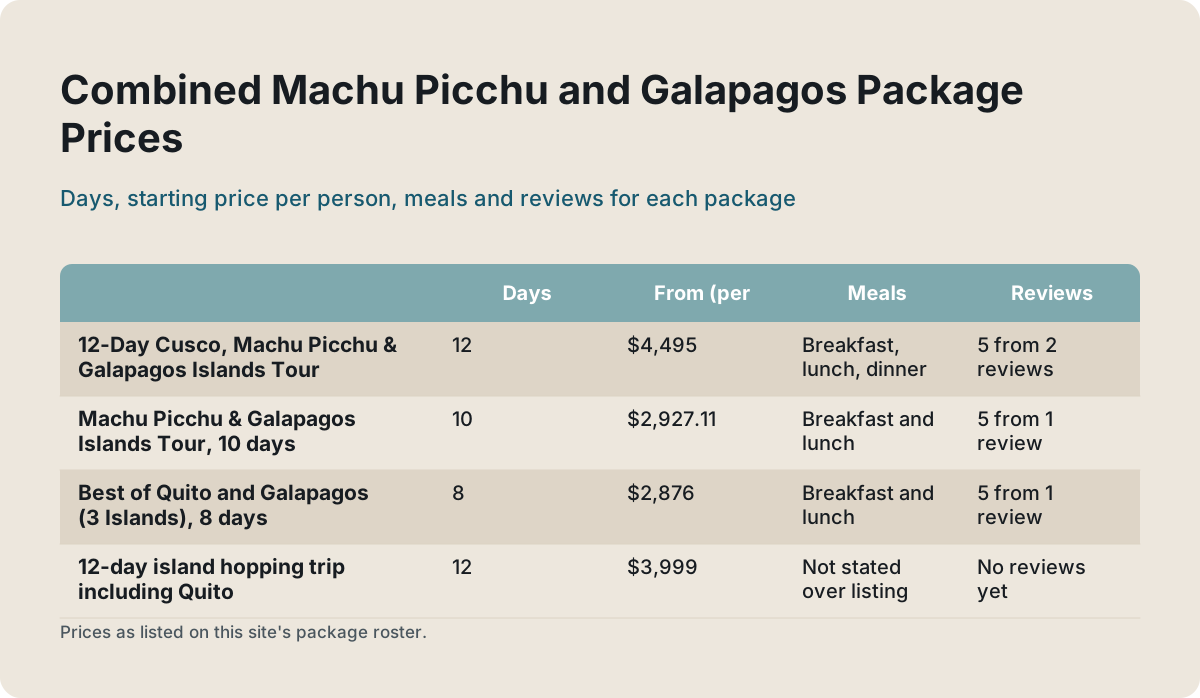
The two-country packages on the market start at $2,876 for an 8-day Quito-and-islands trip, $2,927.11 for the 10-day Machu Picchu combo and $4,495 for the 12-day full-board Cusco version. Against that, Galapagos-only land packages start as low as $450 and cruise packages from $3,560, so the Peru leg adds roughly $1,000 to $2,500 per person to an island itinerary.
Price is where combined packages either win clearly or lose clearly, and the deciding factor is whether the Peru leg is priced per person efficiently or as a bolt-on. The 12-day Cusco, Machu Picchu and Galapagos tour at $4,495 includes breakfast, lunch and dinner, hotel pickup and confirmed stops at Santa Cruz, Isabela and Baltra, with a 5 rating from 2 reviews. The 10-day Machu Picchu and islands combo at $2,927.11 runs breakfast and lunch only, with confirmed visits to Santa Cruz and Isabela alongside the Peru segment.
| Package | Days | From (per person) | Meals | Reviews |
|---|---|---|---|---|
| 12-Day Cusco, Machu Picchu & Galapagos Islands Tour | 12 | $4,495 | Breakfast, lunch and dinner | 5 from 2 reviews |
| Machu Picchu & Galapagos Islands Tour, 10 days | 10 | $2,927.11 | Breakfast and lunch | 5 from 1 review |
| Enjoy the Best of Quito and Galapagos (3 Islands), 8 days | 8 | $2,876 | Breakfast and lunch | 5 from 1 review |
| 12-day island hopping trip including Quito | 12 | $3,999 | Not stated on the listing | No reviews yet |
Two honest notes on that table. First, the review pools are small: these are niche products with one or two reviews each, so treat the ratings as signals rather than verdicts. Second, the meal line matters more in a two-country trip than it does in the islands alone, because the Peru segment involves remote train days where buying lunch independently is not always straightforward. Full board on the 12-day tour is part of what its higher price buys.
For a fuller breakdown of where a Galapagos budget goes, including the fees that sit outside every package price, see the Galapagos package cost guide.
Which Order Should You Fly: Through Quito, Or Through Lima?
Almost every combined package on the market routes the Galapagos leg through Quito, because the island flights only leave from Quito or Guayaquil, and Cuenca joined them in 2026. Lima serves the Peru side. A package that chains both countries therefore involves at least three flights: home to Quito, Quito to the islands, and a separate international hop to Lima for the Machu Picchu segment.
The geography forces the structure. The Galapagos are only reachable by air from the Ecuadorian mainland, on Avianca and LATAM routes from Quito and Guayaquil, and since 31 March 2026 also from Cuenca via a Quito technical stop, two frequencies a week. Machu Picchu is reached overland and by rail from Cusco, which is served domestically from Lima. There is no routing that avoids one international connection between the two segments, which is exactly why the combined-package format exists: the operator owns that awkward middle transfer so you do not have to.
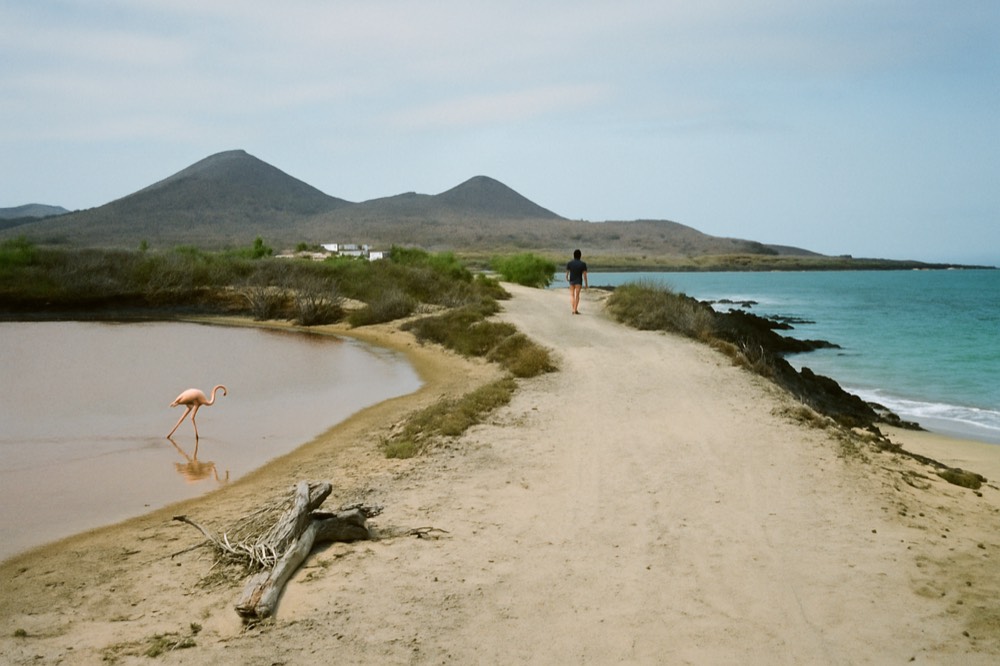
Quito deserves its buffer role for a second reason: it sits high enough that a night or two there begins the acclimatisation process before Cusco, but low enough that it does not demand it. That is why the Quito-plus-islands combinations, like the 8-day trip from $2,876 with confirmed stops at Santa Cruz and Isabela, plus Pinzon as one of several optional excursions, work as a gentler sibling of the full two-country tours. If Machu Picchu is not negotiable but the budget is, that family of packages plus a separately booked Peru leg is a legitimate alternative structure, at the cost of owning the inter-country transfer yourself.
What Is Actually Included In A Combined Package?
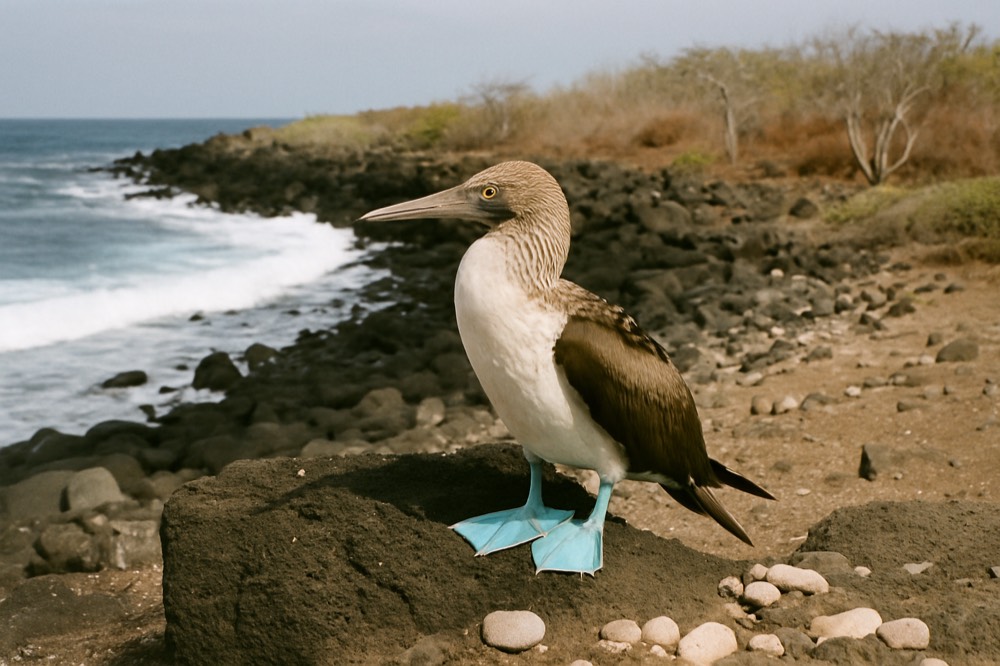
Across the combined roster, packages include mainland and island accommodation, guided excursions in both countries, breakfast and usually lunch, and hotel pickup on the island days. What they exclude is consistent: international flights, the flight between Ecuador and Peru, the Galapagos park fee of $200 in cash, the $20 transit card, and incidentals like wetsuit rentals and tips.
Reading a two-country inclusion list takes more care than a single-country one, because the same word can mean different things in each segment. "Transfers included" might cover the airport pickup in Quito and the dock transfers in the islands but not the train station in Cusco. "Meals included" almost always means breakfast throughout, with lunch added on excursion days, and dinner only on the full-board products. Other pages covering the same trip are gathered on Galapagos Islands Tour Packages.
| Item | Typically included | Typically excluded |
|---|---|---|
| Accommodation | Mainland nights, island hotel nights | Pre- and post-trip nights you add yourself |
| Flights | Internal island-program transfers where stated | International flights, Quito-Lima hop, island flights unless stated |
| Guiding | Naturalist guides in the islands, licensed guides in Peru | Independent days without a guide |
| Meals | Breakfast daily, lunch on excursion days | Dinner except on full-board packages |
| Entry fees | Machu Picchu and site entries where stated | Galapagos park fee $200 cash, transit card $20 |
The park fee and transit card deserve their own sentence because they catch out almost everyone booking from abroad. The Galapagos National Park entrance fee is US $200 for foreign adults, paid in cash US dollars to park rangers on arrival at Baltra or San Cristobal, and there is no online prepayment portal for it. The Transit Control Card is US $20, bought at the airport counter in Quito or Guayaquil before check-in, with free online pre-registration available to speed that up. Both sit outside the package price on every product in this roster. The official fee schedule is published by the Galapagos National Park Directorate, and the full arrival procedure, including the transit card and biosecurity inspection, is covered in the flights, park fee and transit card guide.
How Do Entry Requirements Work Mid-Trip?
Ecuador and Peru are separate entries, so a combined trip means two sets of stamps. US, UK and Canadian passports get 90 days visa-free in Ecuador in any 12-month period with six months' validity, and the Galapagos additionally require a return ticket and a maximum 60-day stay. Biosecurity inspection happens at the mainland airport before every island flight.
The Galapagos leg carries requirements the mainland does not. Before boarding in Quito or Guayaquil, every bag passes biosecurity inspection by the ABG, Ecuador's quarantine agency, which restricts fresh produce and other organic items; the official biosecurity standards page sets out the three-step process. On arrival, the inspection repeats for hand luggage. None of this is onerous, but it adds time, and the official advice is to reach the mainland airport three hours before the flight.
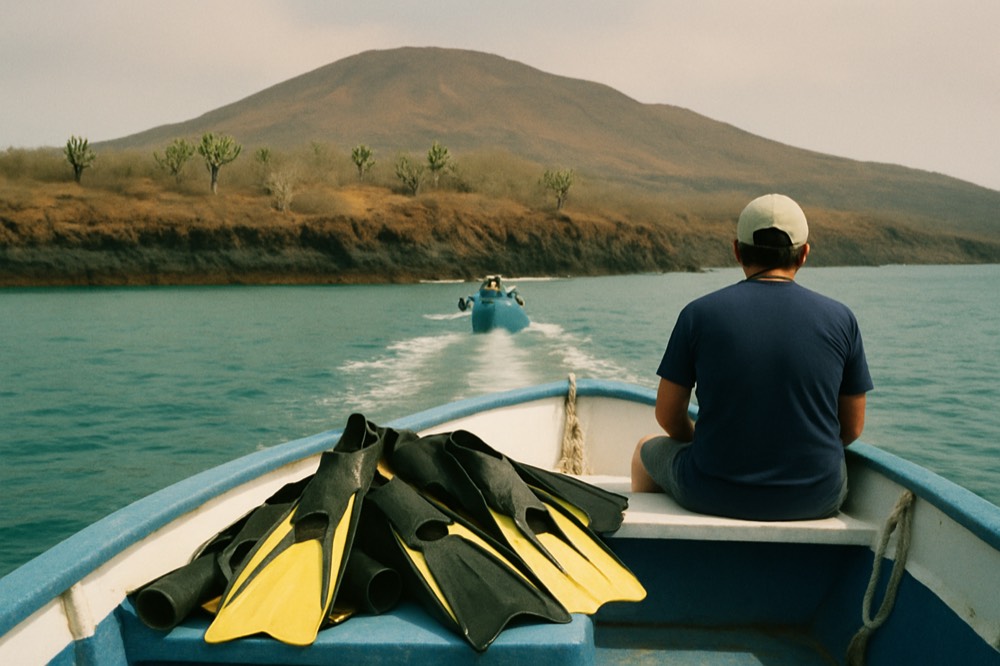
The Peru leg is administratively lighter for most source-market passports, but the sequencing matters here too: if the Galapagos come first, you leave Ecuador through the transit-card check on departure, so keep that card in your passport until you are out of the country. The 60-day annual cap on tourist stays in Galapagos is irrelevant to a package traveller on a 10-day trip, but the return-ticket requirement is not, since a combined package naturally satisfies it with its onward bookings.
Is A Combo Package Better Value Than Booking Each Leg Separately?
A combined package wins on the transfers and the single point of responsibility, and loses on flexibility. Booking the islands, Peru and the connecting flights separately can undercut the package price, but you then own the inter-country flight risk, the acclimatisation buffer and every connection yourself, which on a two-country fortnight is real exposure.
The honest comparison depends on which package you measure against. The 10-day Machu Picchu and islands combo at $2,927.11 is the leanest two-country option on the roster, covering both headline sites with breakfast and lunch, hotel pickup and confirmed stops on Santa Cruz and Isabela. The 12-day Cusco version at $4,495 buys two more days and full board, and its confirmed island stops at Santa Cruz and Isabela come with a 5 rating from 2 reviews. The 8-day Quito and islands trip at $2,876 is the useful control: it shows what the same island program costs without the Peru leg, which puts the rough marginal cost of Machu Picchu in clear view.
Against a self-assembled trip, the package's real advantage is the failure chain. If the Quito-to-Lima flight is late, a packaged traveller is the operator's problem at 2am; an independent traveller is rebooking two hotels and a train. On a trip where one segment is high-altitude Peru with fixed train departures and the other is a flight-only island chain, that insurance is what the package premium buys, and it is worth weighing against the saving from splitting the booking.
For travellers who decide the two-country structure is too much and want to keep the islands as the whole trip, the island hopping packages guide covers the land-based alternative in depth, and the booking guide walks through what to check on a listing before paying.
What Could Go Wrong: Seasons, Weather And Sequencing Mistakes?
The two destinations have partly opposed seasons. The Galapagos hot season runs January to May and the cool season June to December, with rougher seas in the cool months, while the Andes are driest and busiest in their own window. The main avoidable mistakes are stacking both destinations' peak crowds into one fortnight and leaving no buffer days around the inter-country flight.
The Galapagos climate is documented in detail by the Charles Darwin Foundation climatology database: sea temperature at Puerto Ayora averages 25.7 degrees Celsius in March against 21.5 in August and September, and the cool season, June to December, is when the southeasterly winds strengthen, which means rougher inter-island crossings. Peru's mountain weather runs on its own calendar, with the driest Andes months falling in the middle of the Galapagos cool season, so a single fortnight cannot sit in both destinations' ideal window. Choose which half gets the good weather and accept the trade on the other.
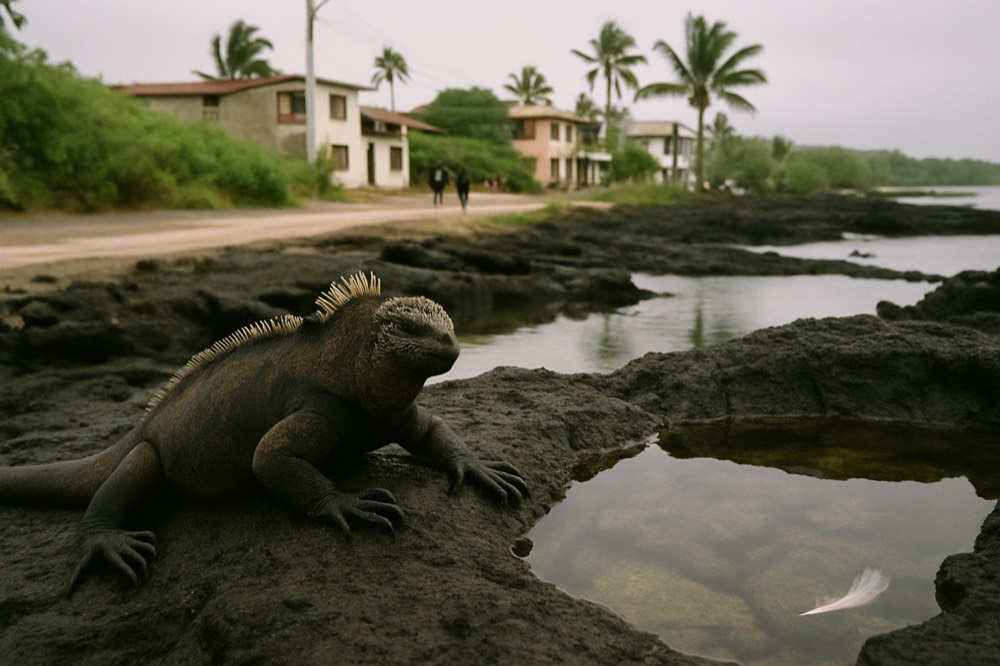
The sequencing mistakes are more predictable than the weather ones. The classic is booking the Peru segment to start the day after the island program ends, with no slack for the island-to-Quito flight, the hotel night and the Quito-to-Lima departure. Another is treating the Galapagos days as interchangeable with Machu Picchu days physically: the island program involves swimming and boat transfers that are tiring in their own right, and arriving in Cusco straight off them catches many travellers off guard. A buffer day in Quito between the two halves costs one hotel night and removes most of the single-trip failure risk.
The last avoidable problem is money logistics. The park fee is cash only, in US dollars, collected on arrival, so the combined traveller needs clean notes on hand at the island airport with no ATM between the plane and the ranger desk. Travellers who have run the two-country route report the same wish list afterwards: buffer days around the middle flight, altitude precautions started on schedule rather than on arrival, and the transit card kept somewhere it cannot be lost before the departure check.
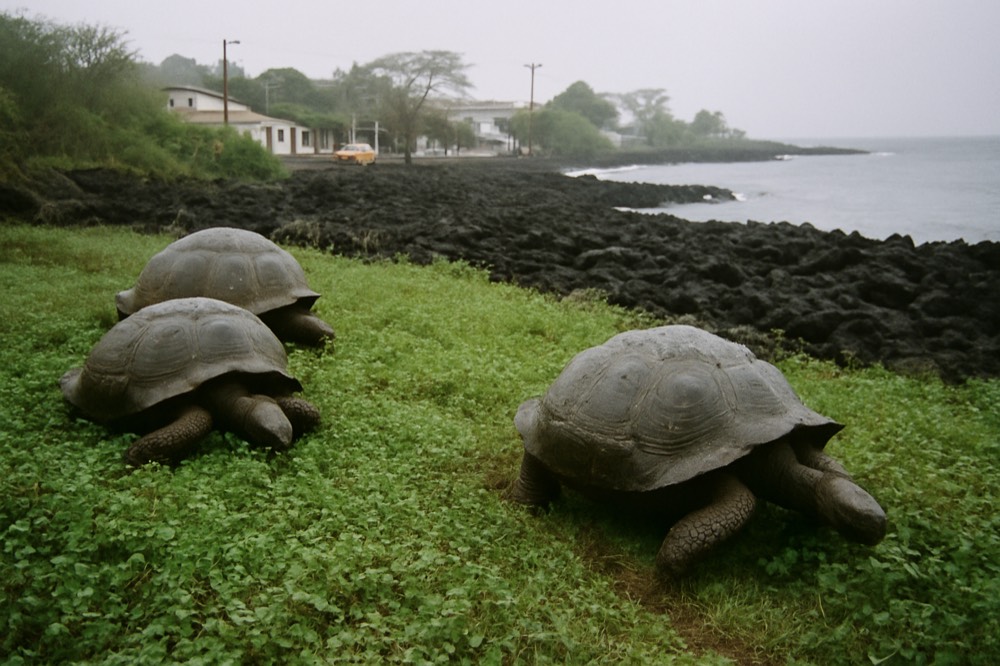
Whether a combined package beats two separate trips also depends on how much of the fortnight you want to own. The packages compared above, from the full-board 12-day tour to the lean 10-day combo and the Quito-based 8-day trip, each draw the inclusion line in a different place, so the choice is less about price tiers and more about which exclusions you are comfortable absorbing.
Common Questions About Combining Machu Picchu And The Galapagos
How Many Days Do You Need For Machu Picchu And The Galapagos Together?
The combined packages on the market run from 8 to 12 days. The 10-day and 12-day versions cover both headline sites properly; anything shorter forces either the Peru or the island segment into a rushed outline, and the acclimatisation buffer days are usually the first thing a short itinerary cuts.
Is It Cheaper To Book Machu Picchu And The Galapagos Separately?
It can be, but the saving buys you the inter-country flight risk and every connection as your own problem. Combined packages start at $2,876 for the Quito-and-islands version and $2,927.11 for the full two-country 10-day tour, and the package premium is largely the cost of the operator owning the Quito-to-Lima transfer and the buffer logistics.
Should You Do The Galapagos Or Machu Picchu First?
Doing Peru first means you acclimatise in the Andes and then recover at sea level in the islands, which most travellers find easier. Doing the islands first eases you in gently but ends the trip with a sudden climb into thin air. There is no wrong answer, but decide before comparing packages, because it filters which itineraries fit you.
What Extra Fees Do You Pay On Top Of A Combined Package?
On the Galapagos side, the US $200 park entry fee in cash on arrival and the US $20 transit card at the mainland airport, plus international flights and the Ecuador-Peru hop unless the listing states them. Dinner is excluded on all but the full-board 12-day package, and wetsuit rentals and tips are extra on most island programs.
Do You Need A Visa For A Two-Country Ecuador And Peru Trip?
US, UK and Canadian passports get 90 days visa-free in Ecuador in any 12-month period with six months of passport validity, and the Galapagos additionally require a return ticket and cap tourist stays at 60 days per year. Check Peru's requirements for your nationality separately before booking, as the two countries set their own rules.
Are Combined Machu Picchu And Galapagos Tours Worth It?
For a one-time South America trip, yes, provided the sequencing and buffer days are right. The review pools on these packages are small, one or two reviews each, so read the itineraries rather than the ratings, and check the cancellation terms on the live listing before committing to a two-country booking.